
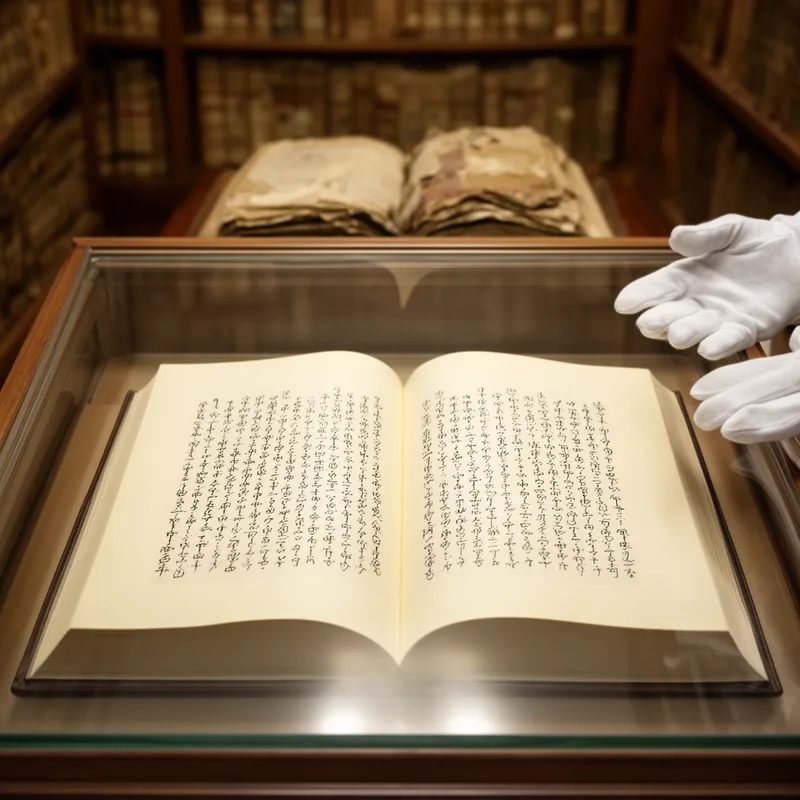
uncorrupted
- adjective
- /ʌn.kəˈrʌp.tɪd/
- In an uncorrupted environment, the local language has evolved without the influence of outside cultures.
Loading YouTube…
Watch on YouTubeYou need uncorrupted traditions to help guide how people interact within the institution.
- You need uncorrupted traditions to help guide how people interact within the institution.
Examples
-
For example, in rock music, the word "authentic" designates artists and music that are direct, honest, and uncorrupted by commerce, trends, and derivativeness.
Academic text (2006) -
Others claim to be the original, uncorrupted Tea Party insurgency.
Blog text (6) -
You need uncorrupted traditions to help guide how people interact within the institution.
-
That is, uh, words uncorrupted from, uh, Sanskrit.
-
He was my counterpart, my double in that uncorrupted world.
Fiction book (1994) -
One final parallel between Set and Nolde is their yearning for uncorrupted, childlike expression.
Academic text (1994) -
Abbott is a lot like the uncorrupted version of this entrée.
Blog text (4) -
The artist's work remained uncorrupted by commercial pressures, retaining its original style and essence.
-
The historian praised the uncorrupted records from the ancient civilization, which provided valuable insights into their culture.
Synonyms

 7
5.1
7
5.1

Free from any marks, damage, or bad actions
 6
6.9
6
6.9
Complete and not mixed with anything, used to show strong feeling
 5
3.7
5
3.7
Still in its original state and not changed
 5
7.0
5
7.0
Completely clean and not spoiled or stained
 5
4.6
5
4.6
Pure and not made weaker by adding water or another liquid
 4
5.6
4
5.6
Not harmed by bad things, especially in reputation
 3
3.7
3
3.7
Not changed by what other people or things do
 3
8.0
3
8.0
Pure and not mixed with anything else
 2
3.8
2
3.8
Not changed from its original form
 2
5.5
2
5.5
Not spoiled or stained and still in good condition
 1
9.9
1
9.9
Not spoiled by dirt, harm, or bad things


 1
6.3
1
6.3
Free of marks, stains, or faults

Not decayed or spoiled, kept in original condition

Not spoiled and still pure in body or mind

Free from personal feelings or strong opinions
Antonyms


How Pure

Surface Forms
Morphology
Etymology
Uncorrupted comes from un- 'not' and corrupt 'to spoil', with the same rupt 'to break' root that you find in rupture and interrupt. So uncorrupted language or texts are not spoiled or changed and keep their original form.