

uncompounded
- adjective
- /ˌʌn.kəmˈpaʊndɪd/
- The medicine is most effective in its uncompounded form.
Examples
-
His explanation was straightforward and uncompounded by unnecessary details.
-
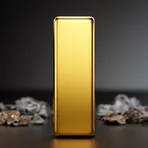
In its uncompounded state, the mineral is rare and valuable.
-
The term is uncompounded and stands alone.
-
An uncompounded word is easier to understand.
-
The pure substance was considered uncompounded because it contained no additives or impurities.
-
Her free spirit could be described as uncompounded, not bound by societal expectations.
-
In chemistry class, we learned that an uncompounded element cannot be broken down into simpler substances.
Synonyms

 5
4.6
5
4.6

Pure and not made weaker by adding water or another liquid
 3
8.0
3
8.0
Pure and not mixed with anything else
 1
3.6
1
3.6
Completely pure with nothing added


 1
5.3
1
5.3
Not joined together and staying separate
 1
5.8
1
5.8
Not mixed with other ingredients, showing its own taste or color

Not joined to other things

Not joined together into one thing

Pure and not mixed with other things

Not joined to other parts to make one system

Not joined together as one group or system

Not changed from its basic form, like a verb or a chemical
Antonyms

How Compound

Surface Forms
Morphology
uncompounded = compounded (transparent) = un + compound + ed
The adjective is formed by negating the past-participle/adjective 'compounded' with productive prefix 'un-', yielding the straightforward meaning 'not combined'.
Etymology
Uncompounded comes from the prefix un- meaning 'not' and compound meaning 'made of parts or joined together', as in a chemical compound or a compound word. So uncompounded simply means 'not combined with other elements', which is why it describes something kept simple or in its original form.