
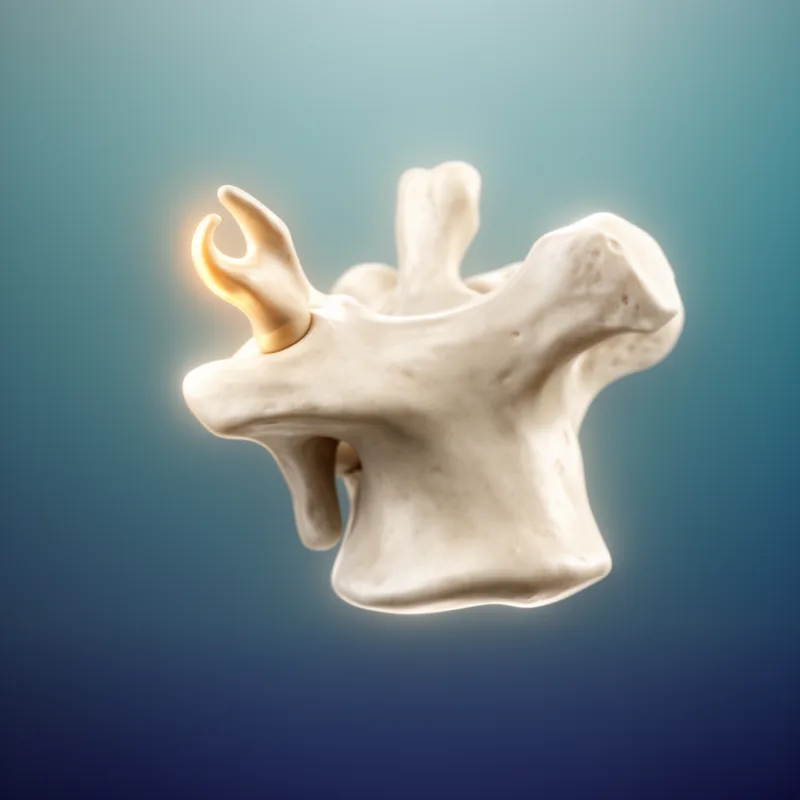
uncinate


 1
9.9
1
9.9
- adjective
- /ˈʌn.sɪ.neɪt/
- Specialized
- Anatomists often describe the uncinate process as resembling a hook that connects important structures in the head.
- uncinate process
Examples
-
Lidocaine 1% with 1:100,000 units of epinephrine was then injected into the mucosa overlying the uncinate process, middle turbinate, and lateral nasal wall.
Academic text (2005) -
The ethmoids are entered at the level of the uncinate process opposite the leading edge of the middle turbinate (Figure 2).
Academic text (1994) -
The uncinate process was excised endoscopically, and the ostium of the maxillary sinus was visualized.
Academic text (2005) -
The neck of the pancreas is transected, and the duodenum is spared by resecting all but a small portion of the pancreatic head adjacent to the bile duct and a portion of the uncinate process.
Academic text (2017) -
The uncinate process, shaped like a hook, plays a critical role in the anatomy of the pancreas.
-
During surgery, the doctor carefully examined the uncinate process for any signs of abnormalities.
Synonyms

With a curved end that bends back

Having a sharp curved shape like a hook

Having a curved end that can catch or hold things like beaks and thorns

Curved like a sickle
Antonyms


Surface Forms
Morphology
uncinate = uncin + ate
Formed from a Latin combining form (uncin-) plus an adjectival suffix; the parts are not productive English morphemes, so learners cannot reliably infer 'hook-shaped' from the components.
Etymology
Uncinate comes from the Latin uncinus, which means 'hook'. That's why the word describes something shaped like a hook, often a small hooked part in the body.