
unbreathing
- adjective
- /ʌnˈbriːðɪŋ/
- In the middle of the performance, the audience sat unbreathing in anticipation of the final act.
Loading YouTube…
Watch on YouTubeYour spring jacket will be too hot if you use a light outer fabric and then a really stuffy unbreathing polyester.
- Your spring jacket will be too hot if you use a light outer fabric and then a really stuffy unbreathing polyester.
Examples
-
Your spring jacket will be too hot if you use a light outer fabric and then a really stuffy unbreathing polyester.
-
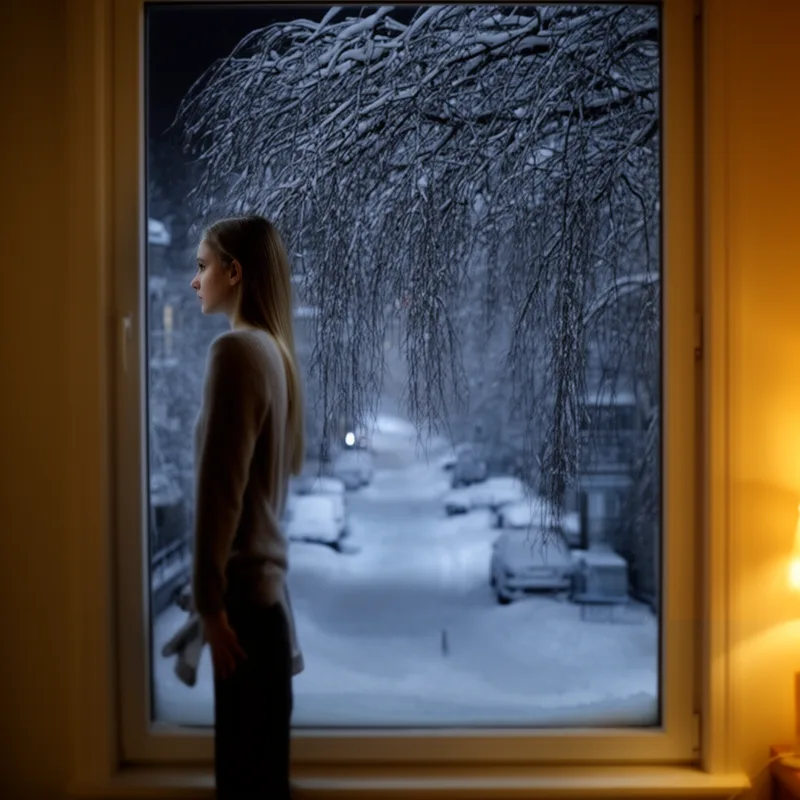
The forest was eerily unbreathing as all the creatures seemed to have vanished.
-
After the accident, the scene was unbreathing, silent, and filled with a sense of loss.
Synonyms

 28
3.4
28
3.4

Not moving and showing no signs of people or animals


 1
5.7
1
5.7
Completely quiet with no sound at all

Not breathing and showing no signs of life
Antonyms

Surface Forms
Morphology
Etymology
Unbreathing is made of un- ('not') and breathing (from 'breath' or 'to breathe'), so it literally means 'not breathing'. That's why we use unbreathing to describe a person or place that is completely still, silent, or lifeless.