
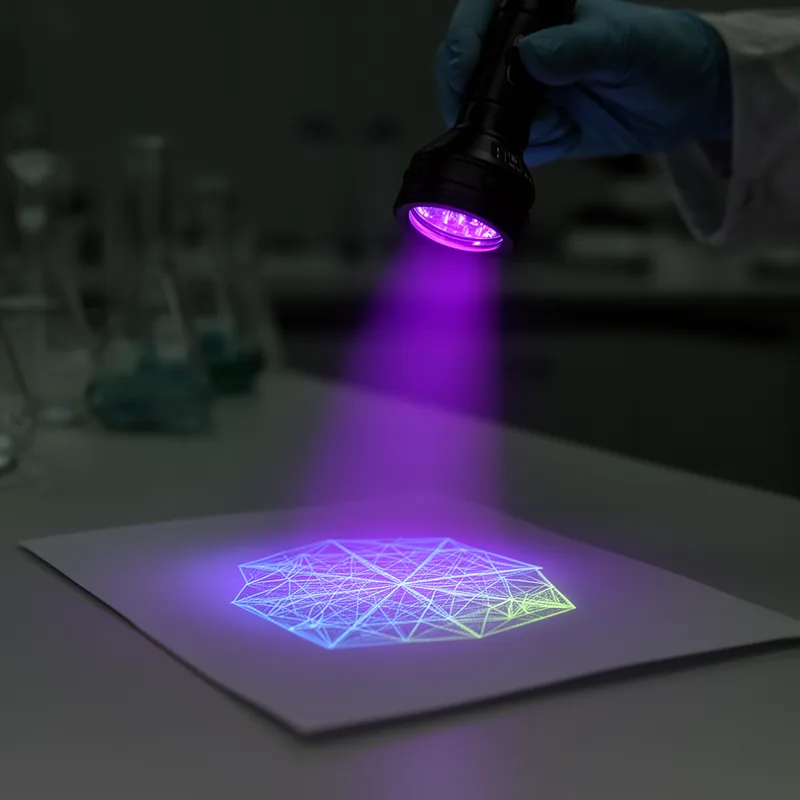
ultraviolet illumination
- noun
- /ˌʌltrəˈvaɪəlɪt ˌɪlʌmɪˈneɪʃən/
- Specialized
- Museum displays often use ultraviolet illumination to reveal details not seen in normal light.
Examples
-
The lab used ultraviolet illumination to detect invisible ink on the documents.
-
The ultraviolet illumination from the sun can cause skin damage.
-
Plants can suffer damage if exposed to excessive ultraviolet illumination for long periods.
-
Some plants thrive under ultraviolet illumination.
-
Museum displays often use ultraviolet illumination to reveal details not seen in normal light.
-
The lab used ultraviolet illumination to detect invisible ink on the documents.
-
Some plants thrive under ultraviolet illumination.
Synonyms

 14
5.1
14
5.1

Invisible light with waves shorter than visible light that can cause sunburn
 10
4.0
10
4.0
A type of light from the sun that you cannot see and that can burn your skin
 5
3.9
5
3.9
A strong invisible light from the sun that can damage skin and kill germs
 4
4.1
4
4.1
Invisible light from the sun that can burn skin
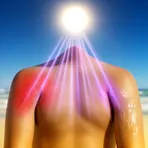
Invisible light that can burn or damage skin
Surface Forms
Morphology
The phrase is compositionally built from 'ultraviolet' (radiation beyond violet) modifying 'illumination' (light), so a learner who knows both words can infer it refers to light in the ultraviolet range. This follows a regular adjective + noun pattern and is cross-linguistically transparent, making it readily understandable to a B1 learner.
Etymology
Ultraviolet illumination comes from the idea of light just past the violet color we can see. Ultra means 'beyond', violet is the color, and illumination means 'lighting', so the phrase describes using that special, invisible light to reveal things.