
type family


 1
6.5
1
6.5
- noun
- /taɪp ˈfæmɪli/
- Specialized
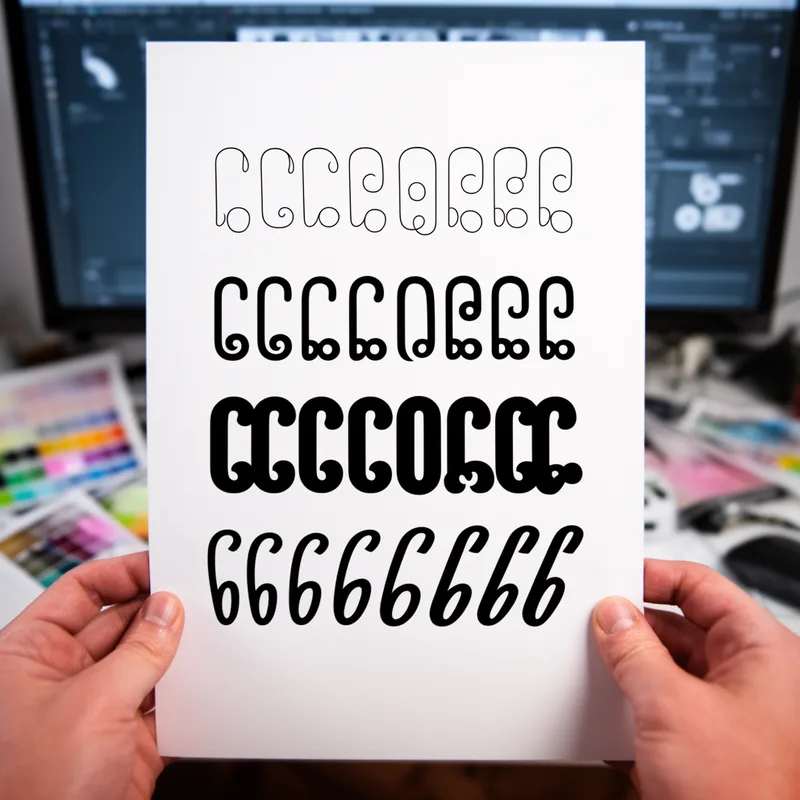
- A type family is a group of different type styles under a single name.
Examples
-
Each type family can include variations like bold, italic, or light to enhance the visual impact of the text.
-
Most type families stick to a certain category of type—serif, sans serif, script, etc.—for each style within that grouping.
Blog text (27) -
These can be some of the most versatile type families but are the most expensive to purchase.
Blog text (27) -
But understanding the different styles within each type family can make it a little easier.
Blog text (27) -
These additional options will give designers even more variety when working with the type family.
Blog text (27) -
These super type families typically include two or more type styles from one or more type categories.
Blog text (27) -
Having a variety of options within a type family is an easy way to add variety to a design project while maintaining a consistent look.
Blog text (27) -
It is pretty easy to figure out how these variations within the type family will look.
Blog text (27) -
The graphic designer chose a modern type family to ensure the project had a cohesive and professional appearance.
-
Exploring different type families helps designers create unique branding while keeping the typography consistent.
Surface Forms
Morphology
The phrase is compositionally built from 'type' (a class/group) + 'family' (a grouping of related items), so it directly conveys 'a group of related types.' Although it is a technical term in programming, the meaning follows a common and cross-linguistically familiar 'X family' pattern, so a B1 learner who knows both words would likely infer the intended sense.
Etymology
Type family comes from the image of a family: different members who still look alike. Designers use the phrase for a group of fonts like bold, italic and light that share the same design, so it means 'a set of related typefaces'.