
type O
 7
3.9
7
3.9

- noun
- /taɪp oʊ/
- Specialized
- Type O blood types are more disposed to having autoimmune thyroid disorders and to being hypothyroid.
- type O blood
- Type O positive
Loading YouTube…
Watch on YouTubeYeah, it's here's what they just came out today and they said like blood type O doesn't get it.
- Yeah, it's here's what they just came out today and they said like blood type O doesn't get it.
Examples
-
If we look at the frequencies of the four major blood types for the entire world population, blood type O is by far the most frequently occurring version.
Blog text (31) -
After just a week of eating according to my Type O recommendations, I felt healthier than I had in years.
Blog text (13) -
Maybe it's because I also have type O blood.
Blog text (13) -
Lalueza-Fox tested the blood types of two Neanderthals and found they were both type O.
Academic text (2010) -
So people with type O are going to be more susceptible to having stomach ulcers and gastric cancer.
-
People with type O blood can donate their red cells to anyone without worrying about incompatibility.
-
Since she has type O blood, she can help many patients in need by donating her plasma.
-
It is often beneficial for doctors to know if a patient has type O blood, as they can receive donations from any blood type.
Synonyms
 47
3.7
47
3.7
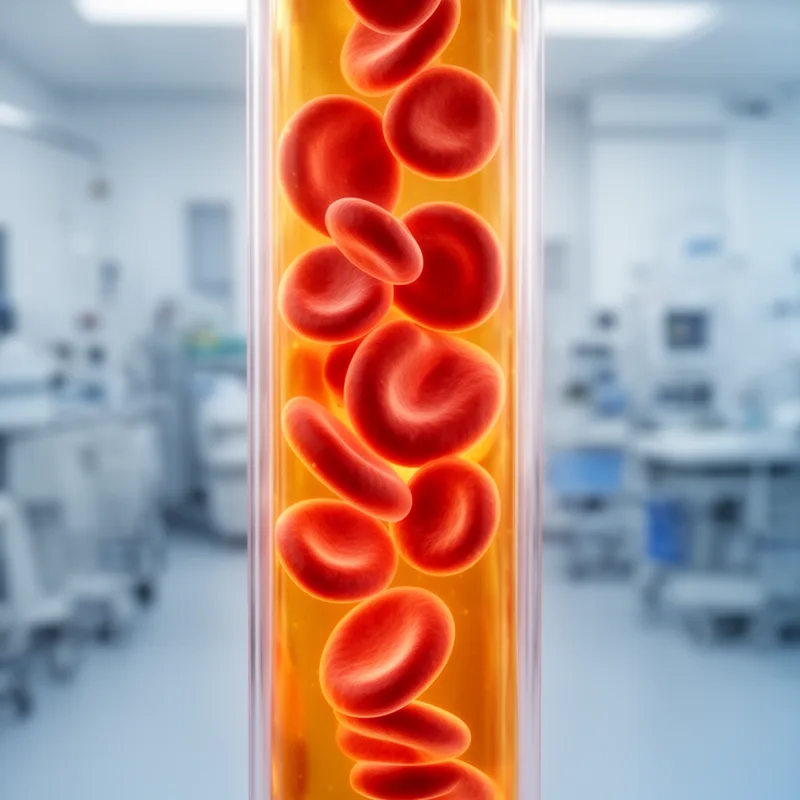
A blood type with no A or B markers that can be given to most people
 35
4.9
35
4.9
A blood type with no A or B on the red cells that can be given to many people
Surface Forms
Morphology
The meaning is fully compositional: 'type' (a class or category) combined with 'O' (the specific blood-group label) yields the O blood type. A B1 learner who knows both constituents can infer this refers to the O blood group and its properties; the construction (type + label) is a straightforward, cross-linguistically common noun classification, so it is transparent.
Etymology
Type O comes from the German word 'ohne', which means 'without', and scientists used O to show blood that is without A and B markers. That's why type O is often a 'universal donor' for transfusions.