

tunicated
- adjective
- /ˈtjuːnɪkeɪtɪd/
- Specialized
- Some sea creatures are tunicated, having a tough outer layer for defense.
Examples
-
The tunicated bulb of the onion protects it from drying out.
-
The tunicated bulb was safe from harsh weather.
-
Gardeners prefer tunicated bulbs because their coverings help retain moisture in the soil.
-
Many tunicated plants thrive in dry climates.
-
The tunicated structure of the onion bulb protects it from cold temperatures during the winter.
-
The tunicated plants, such as tulips, thrive in well-drained soil where their protective layers provide adequate moisture.
-
Studying the tunicated form of certain marine animals reveals how their sheaths help them survive in harsh environments.
Synonyms

 5
4.2
5
4.2

Covered with a protective outer layer, for example cables or pipes


 1
1.9
1
1.9
Having a hard outer covering like a crab or nut

Covered by a protective layer or case
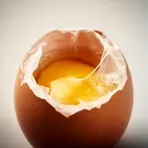
Having a thin soft layer like the skin around an egg
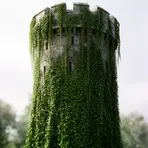
A thing that is covered by a layer like a cloak or mist
Antonyms

Surface Forms
Morphology
Etymology
Tunicated comes from the Latin word tunica, which means 'tunic' or simple garment and is the same root as the English word tunic. People used this idea for bulbs and sea animals that seem to 'wear' a shell or skin like a little tunic, so tunicated means 'having a protective covering'.