
tube-nosed
9.9
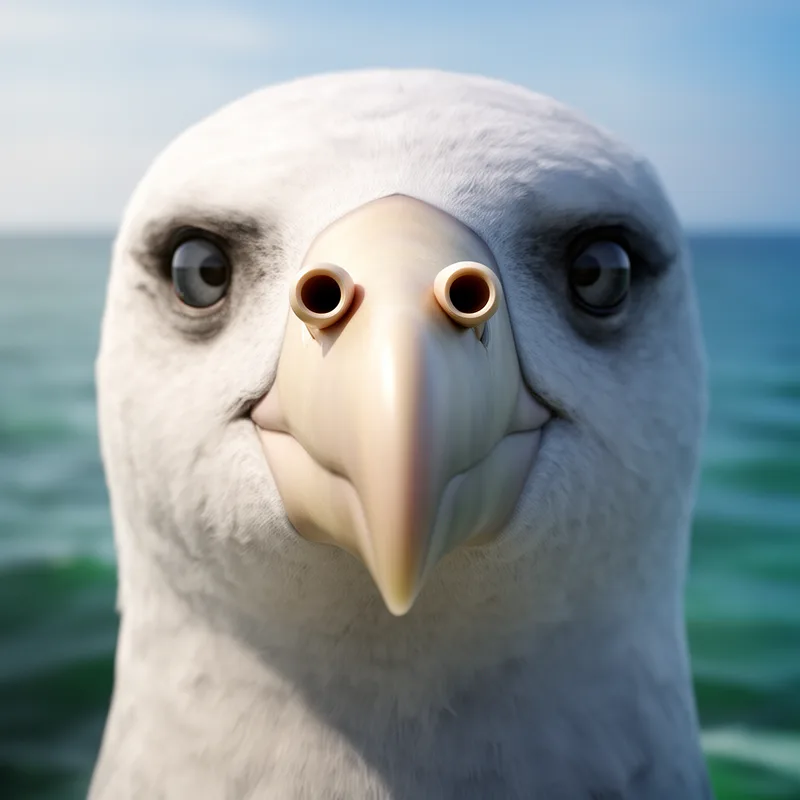
Having nostrils shaped like small tubes
- adjective
:
de nariz tubular
- Many seabirds, such as albatrosses, are classified as tube-nosed birds because of their tubular nostrils.
Examples
-
The tube-nosed bat is easily identified by its distinctive nasal shape.
-
Did you see the tube-nosed bats at the zoo?
-
Researchers studied the tube-nosed structure to understand its adaptation to marine environments.
-
The tube-nosed bird is fascinating to observe.
-
Many seabirds, such as albatrosses, are classified as tube-nosed birds because of their tubular nostrils.
-
The tube-nosed bat is easily identified by its distinctive nasal shape.
-
Did you see the tube-nosed bats at the zoo?
Surface Forms
tube-nosed positive
Morphology
Etymology
The word tube-nosed is made from tube ('a small hollow tube') and nose ('the front part used for breathing'). It describes animals whose nostrils or nose are shaped like a little tube, so the name helps you remember the nose's tube shape.

