

tritoma
- noun
- /trɪˈtoʊmə/
- Specialized
- The gardener planted a tritoma beside the pond to add a splash of color in late summer.
Examples
-
Known as 'red hot poker,' the tritoma is often chosen for ornamental gardens.
-
Bright red and yellow tritomas attracted bees and butterflies to the flowerbed.
-
The tritoma blooms beautifully in the summer.
-
In my garden, I have a lovely tritoma plant.
-
Known as 'red hot poker,' the tritoma is often chosen for ornamental gardens.
-
Bright red and yellow tritomas attracted bees and butterflies to the flowerbed.
-
The gardener planted a tritoma beside the pond to add a splash of color in late summer.
Synonyms

A plant with long leaves like grass and tall spikes of red or yellow flowers

A tall garden plant with long grasslike leaves and red or yellow hanging flower spikes
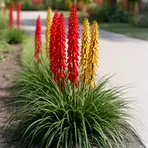
A garden plant with long grasslike leaves and tall spikes of red or yellow drooping flowers
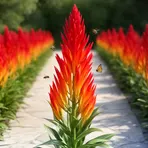
A plant with bright red or orange flowers
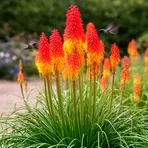
A plant that lives for many years with tall spikes of red orange flowers
Surface Forms
Etymology
The word tritoma comes from Greek parts tri- 'three' and -toma 'cut' or 'slice', and tri- is the same part you see in tricycle. A helpful way to remember tritoma is to picture the plant's tall flower spike as stacked slices or a three-sided torch — like the common name 'red hot poker' — which explains its long, colorful flower spikes.

