
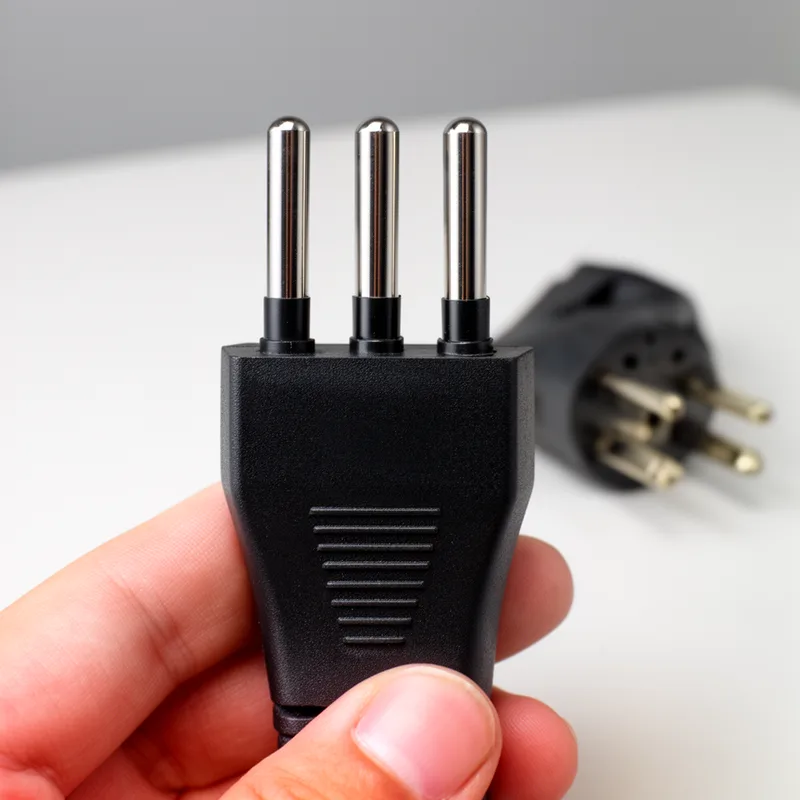
tripolar


 1
8.5
1
8.5
- adjective
- /ˈtraɪˌpoʊlər/
- Specialized
- The shift from the Cold War balance of a bipolar military structure to the post-Cold War balance of a unipolar military and tripolar economic structure is a consequence.
- tripolar economic
Examples
-
Even more important, it would create a tripolar global economic regime—a configuration that could threaten existing global arrangements and multilateral cooperation.
Academic text (2008) -
The new policy aims to establish a tripolar framework for international relations that involves three major powers working together.
-
The middle economic board is tripolar.
Academic text (1994) -
The New World Order, given the logic of a tripolar global economy in terms of great power politics, will be more or less a return to the balance of power system analogous to the Concert of Europe following Waterloo.
Academic text (1996) -
Given the inevitable self-perception of vulnerability on the part of each of the three parties, two will, in fact, tend to ally against the third under conditions of rough tripolar equality—possibly to create their own "bi-gemonic" dominance.
Academic text (1990) -
While détente stabilized the superpower relationship, the early signs of a relatively negative shift in America's economic-industrial position during this period, in retrospect, mark the making of what is now viewed as the tripolar world economy.
Academic text (1996) -
Experts predict that upcoming technology may lead to a tripolar competition in the global market, affecting economies worldwide.
-
The shift toward a tripolar model in the region may enhance cooperation and balance among the three leading nations.
Synonyms
 2
4.0
2
4.0
With three points or parts like a fork
How Many

Surface Forms
Morphology
Etymology
Tripolar comes from tri- meaning 'three', as in triangle, and polar from pole meaning 'end' or 'point' like the 'North' and 'South' poles. So, tripolar means having three poles, which is why we use it for things with three connections or for ideas about a world with three main powers.