

triphosphate
 1
7.0
1
7.0

- noun
- /traɪˈfɔːsfeɪt/
- Specialized
- Adenosine triphosphate (ATP) is used as an energy source assisting in the sliding of the filaments past each other, creating actin-myosin cross bridges.
- adenosine triphosphate
- triphosphate (ATP)
- energy from triphosphate
Loading YouTube…
Watch on YouTubeYou have adenosine triphosphate energy, the energy currency as what we call and then you have NADNADH ratio which changes the pH of the cell.
- You have adenosine triphosphate energy, the energy currency as what we call and then you have NADNADH ratio which changes the pH of the cell.
- And the end product of that mostly is ATP, adenosine triphosphate, which is your body's energy currency.
- ATP, adenosine triphosphate or also known as ATP or energy chemical.
Examples
-
An adenosine triphosphate (ATP) bioluminescence assay can satisfy the need to detect the presence of viable spores in near real time.
Academic text (2006) -
Mitochondria produce adenosine triphosphate or ATP, the main energy source for all cellular processes.
-
Adenosine triphosphate testing is performed to give a rapid analysis for microbiological concentrations in a water sample.
Academic text (2011) -
And the end product of that mostly is ATP, adenosine triphosphate, which is your body's energy currency.
-
Every step of the motor involves the hydrolytic conversion of chemical energy from adenosine triphosphate into mechanical work.
Academic text (2006) -
Adenosine triphosphate is often referred to as the energy currency of the cell.
-
In cellular respiration, energy is stored in the form of triphosphate molecules such as ATP.
-
Mitochondria convert nutrients into adenosine triphosphate, which powers various cellular functions.
Synonyms
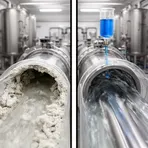
A chemical used in water treatment and detergents to prevent scale
Compounds

- Specialized

 1
4.8
1
4.8
A small molecule in cells that stores energy for cells to use
Surface Forms
Morphology
Etymology
Triphosphate comes from the prefix tri- meaning 'three' and phosphate, a chemical group that contains phosphorus. So a triphosphate is literally three phosphate groups joined together, which is why molecules like ATP have three phosphate parts that store and release energy.