
triboelectric


 1
9.3
- adjective
- /ˌtraɪboʊɪˈlɛktrɪk/
- Specialized
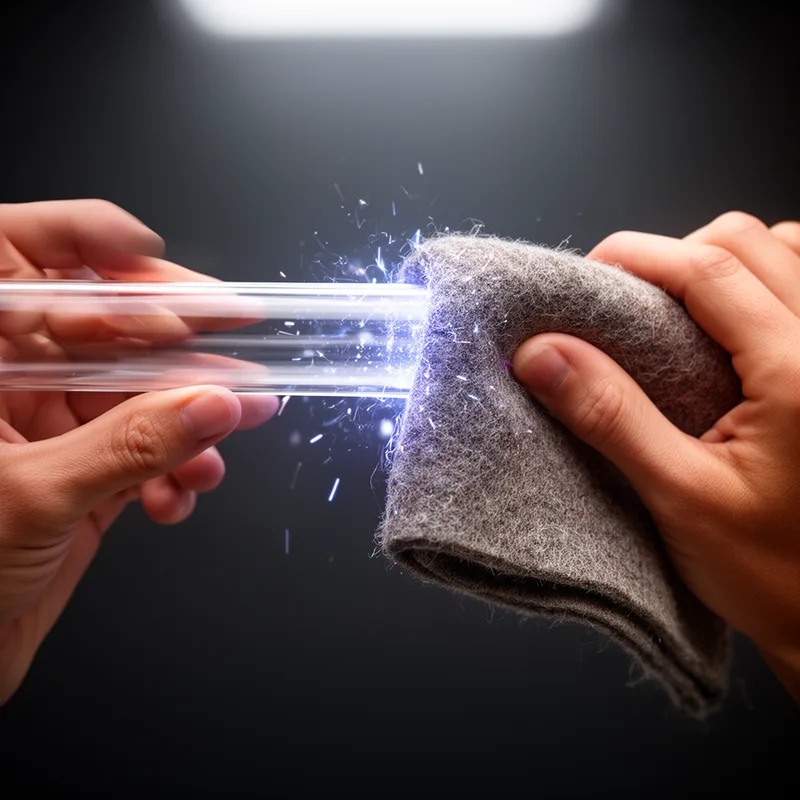
- When two different materials are rubbed together, they can develop a triboelectric charge, which can lead to static cling.
Examples
-
Bacteria may also be seen on the surface of erythrocytes, but as soon as blood is taken from a vessel, erythrocytes lose their triboelectric charge, and bacteria are released into plasma 32-35.
Academic text (2017) -
After entering the bloodstream, the bacterial capsule and slime layer prevent triboelectric charging and fixation on the surface of erythrocytes.
Academic text (2017) -
Bacteria cannot proliferate in big vessels (arteries, veins) because high blood velocity causes triboelectric charging that inhibits bacterial transmembrane metabolism.
Academic text (2017) -
The triboelectric effect can be observed when a balloon is rubbed on hair, causing static electricity.
-
The scientist demonstrated the triboelectric phenomenon using a simple experiment with a plastic comb and small pieces of paper.
Synonyms
 11
6.5
Connected with static electricity or electric charges that do not move
Surface Forms
Morphology
Etymology
Triboelectric comes from the part tribo-, an old root meaning 'to rub', and electric, which refers to electric charge. So triboelectric describes the electricity you get when you rub two materials together, like when a balloon makes your hair stand up.