

to transliterate
 1
7.7
1
7.7

- verb
- /trænˈslɪtəˌreɪt/
- In translating the title, they had to transliterate the characters into the Latin alphabet for clarity.
Examples
-
Transliterated titles remained a challenge for the staff to decipher.
Academic text (2014) -
However, Hebrew can be, and usually is, transliterated into Roman characters.
Academic text (1990) -
And then Avicenna is just how they transliterated that into Latin.
-
The next line shows the error itself in a simulated braille font; below this line, the same text is transliterated into the Roman alphabet.
Academic text (2007) -
The Sanskrit word mandala was transliterated into the Chinese term mantuluo and the Japanese term mandara.
Academic text (2015) -
The authors, their footnote establishes, got that prize account from a former Soviet archive and obviously just transliterated the Cyrillic letters to the Latin alphabet.
Academic text (1999) -
Students whose native languages use non-Roman alphabets can even set their blogs to transliterate into their native languages. (Language options are available under the "settings" tab of most blogs.)
Academic text (2012) -
When writing about foreign languages, it is important to transliterate names accurately so readers can pronounce them correctly.
-
Linguists often transliterate ancient texts to help modern audiences understand the original words.
Synonyms

 1
4.4
1
4.4
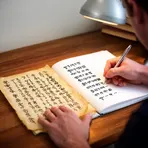
To write words from one alphabet into another
 1
6.9
1
6.9
To write words from another alphabet using Latin letters

Write a word or name using the Latin alphabet so people can read it
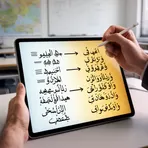
Write foreign words in Arabic letters
How Exact
1
7.7
 1
4.4
1
4.4
Surface Forms
Morphology
Etymology
Transliterate comes from Latin parts trans- 'across' and littera 'letter', which gives a clear image of moving letters from one place to another. So, to transliterate today is to write the sounds or letters of one alphabet using the letters of another alphabet, for example writing Arabic or Japanese with Roman letters.