
transferase


 1
8.4
1
8.4
- noun
- /ˈtrænsfərˌeɪs/
- Specialized
- In contrast, E. cyaneus showed a decrease in glutathione S-transferase already at 12 h of exposure and until the end of the experiment (Fig. 5).
- glutathione transferase
- terminal deoxynucleotide transferase
- S-transferase
Loading YouTube…
Watch on YouTubeSo one of those is the carnitine pomatol transferase enzyme or the CPT enzyme.
- So one of those is the carnitine pomatol transferase enzyme or the CPT enzyme.
Examples
-
We did not observe any differences in the activity of glutathione S-transferase between the control and exposed groups of E. verrucosus.
Academic text (2018) -
So one of those is the carnitine pomatol transferase enzyme or the CPT enzyme.
-
The enzymes that do this is something called CPT or carnitine pulmatole transferase and write that down.
-
For example, one gene held in common is a glutathione transferase important in resisting lipid peroxidation.
Academic text (2010) -
Bacterial resistance genes code for beta-lactamases, transferases, and other enzymes that have been customized to interfere with the drugs' actions.
Academic text (2000) -
For example, a single nucleotide polymorphism near the gene for arsenic methyl transferase has been associated with an increased risk for arsenic-induced skin lesions (Pierce et al. 2012).
Academic text (2012) -
Glutathione S-transferases are a family of enzymes for detoxification by catalyzing the conjugation of many hydrophobic and electrophilic compounds with reduced glutathione.
Academic text (2016) -
The enzyme glutathione S-transferase catalyzes the transfer of a glutathione molecule to other compounds during detoxification.
-
Researchers discovered that the transferase enzyme plays a crucial role in the metabolism of harmful substances in the liver.
-
In biochemistry, a specific type of transferase is responsible for moving phosphate groups between molecules.
Surface Forms
Morphology
Etymology
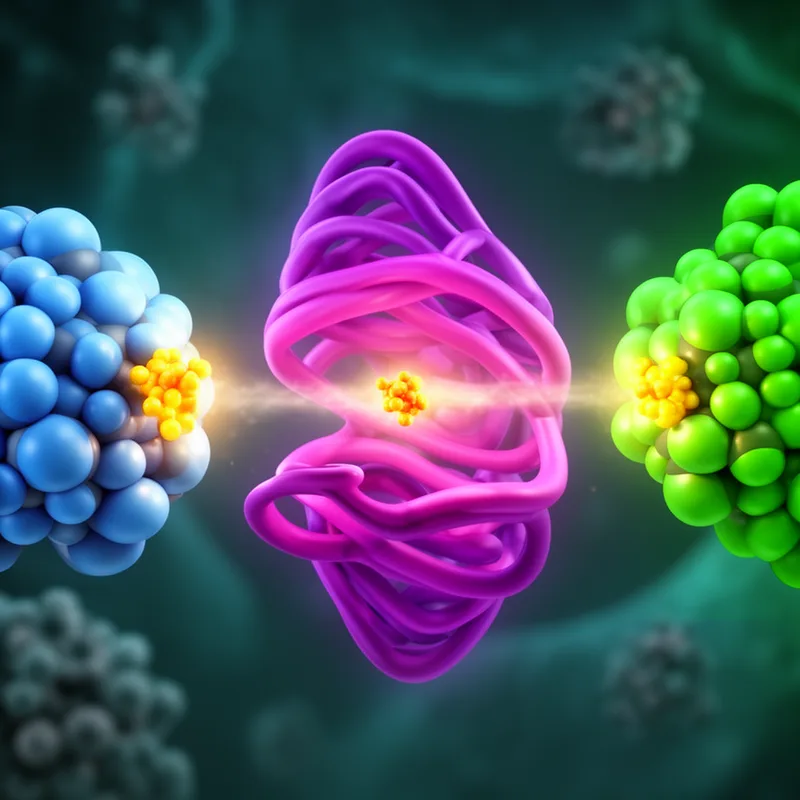
Transferase comes from the common word transfer ('move from one place to another') plus the enzyme ending -ase. So a transferase is an enzyme that helps 'carry' a small chemical part from one molecule to another.