
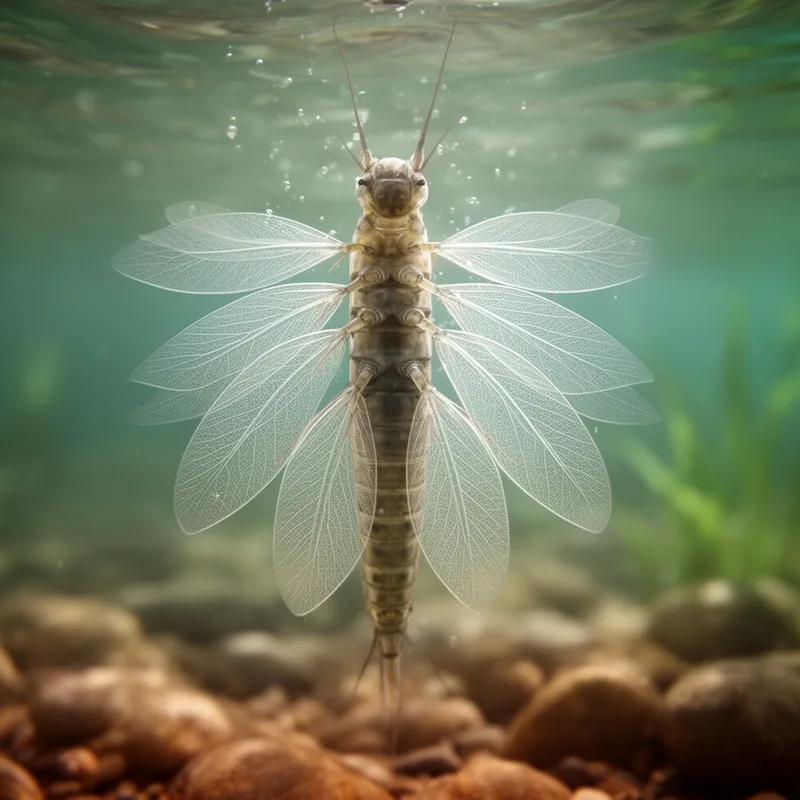
tracheal gill
- noun
- /ˈtreɪkiəl ɡɪl/
- Specialized
- The mayfly nymph relies on its tracheal gills to extract oxygen from the water.
Examples
-
Unlike adult insects, many larvae possess tracheal gills as an adaptation to aquatic life.
-
Researchers observed that damage to the tracheal gill reduced the larva's ability to survive in low-oxygen conditions.
-
The tracheal gill allows the insect to breathe underwater.
-
Many aquatic larvae possess tracheal gills for respiration.
-
The mayfly nymph relies on its tracheal gills to extract oxygen from the water.
-
Researchers observed that damage to the tracheal gill reduced the larva's ability to survive in low-oxygen conditions.
-
Unlike adult insects, many larvae possess tracheal gills as an adaptation to aquatic life.
Synonyms
 16
3.6
16
3.6

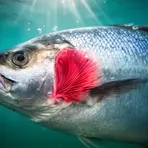
Thin feathery parts on fish that take oxygen from water

A part that sticks out from an animal and gets oxygen from water
Surface Forms
Morphology
The compound is a straightforward adjective + noun where 'tracheal' (related to the tracheae) modifies 'gill' (a breathing organ), so the overall meaning—a gill associated with the tracheae used for respiration—is directly inferable from the parts. Although somewhat technical, the composition is literal and follows normal English formation patterns, so a learner who knows both constituents will understand the MWE.
Etymology
Tracheal gill names a thin, leaflike part on some insect larvae that helps them 'breathe underwater'. The word tracheal points to the insect's breathing tubes and gill shows a thin water organ, so the image is a tube-connected leaf that lets the insect get oxygen from the water.