

touch perception
- noun
- /tʌtʃ pərˈsɛpʃən/
- Specialized
- Damage to the nerves can result in a loss of touch perception in the affected area.
Examples
-
The patient's touch perception was tested using a soft brush against her skin.
-
Children develop touch perception as their nervous systems mature.
-
Good touch perception is crucial for a surgeon.
-
Can you describe your touch perception?
-
Children develop touch perception as their nervous systems mature.
-
Damage to the nerves can result in a loss of touch perception in the affected area.
-
The patient's touch perception was tested using a soft brush against her skin.
Synonyms

 29
4.1
29
4.1

How well a device or test notices small changes
 8
6.6
8
6.6
Ability to feel physical things like touch or pain
 4
3.0
4
3.0
The ability to feel things through the skin
 1
8.6
1
8.6
To feel touch, pressure, heat, or pain through the skin

Ways the skin feels touch, pressure, pain, and temperature

Feelings you get through your skin, like touch and temperature

The sense that lets you feel objects through physical contact

A feeling in your body that tells you about touch or where your arms and legs are

The sense of feeling touch, temperature, pain, and body position

The ability to feel touch, pain, temperature, body position, and internal organs
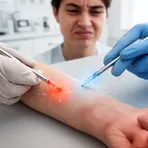
A basic sense that lets you feel pain and temperature

A gentle touch used to feel the surface of something
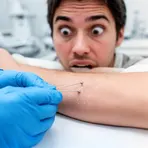
Ability to feel or notice very small physical changes
Antonyms

How Sensitive

Surface Forms
Morphology
The meaning 'ability to sense pressure, heat, pain, or other stimuli through the skin' is directly and compositionally derived from 'touch' (sensation by skin contact) + 'perception' (awareness through a sense). This follows a common noun-noun pattern (X perception = perception via X) found across languages, so a B1 learner who knows both words should understand it.
Etymology
The noun touch perception comes from joining touch (what you feel on your skin) and perception (how you notice or understand things). Imagine feeling a hot cup or a soft kitten, so that power to feel pressure, heat, pain or other things through the skin is 'touch perception'.