
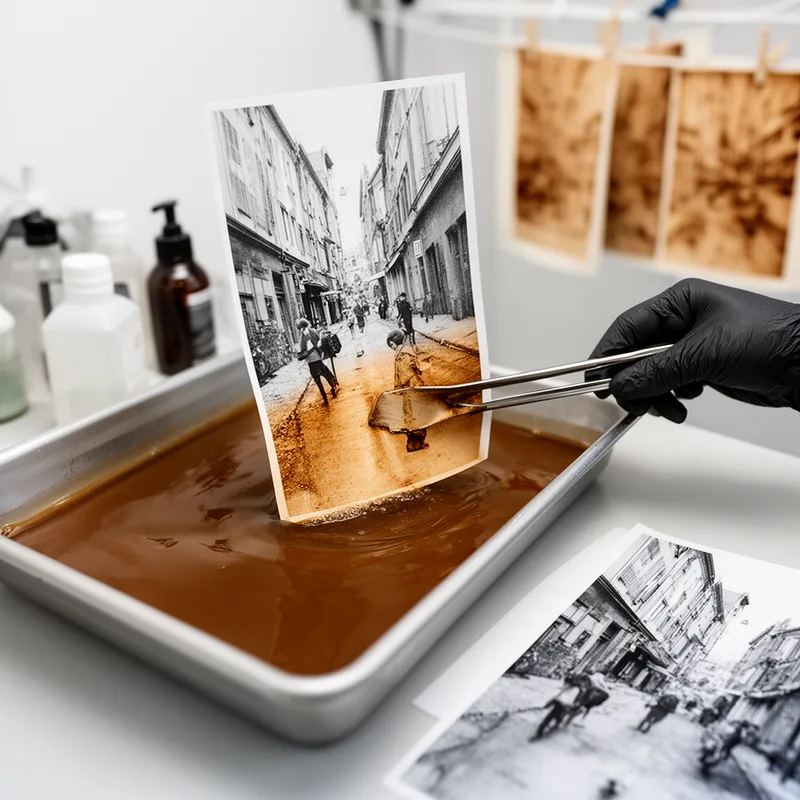
to tonify
- verb
- /ˈtoʊnɪfaɪ/
- Specialized
- You can tonify black-and-white prints to create different artistic effects.
Examples
-
The photographer decided to tonify the print with a chemical solution to achieve a sepia tone.
-
After developing the photo, she chose to tonify it for a vintage look.
-
The photographer decided to tonify the image to give it a warmer appearance.
-
The photographer decided to tonify the prints for a richer look.
-
She tonified the image to enhance the shadows.
-
To give the portrait a dramatic effect, he will tonify it using different chemical toners.
-
After adjusting the colors, she opted to tonify the image to enhance its contrast.
Synonyms
 19
4.9
19
4.9

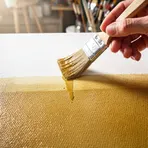
To change the color or shade of something
 1
3.4
1
3.4
To make something a different shade by painting, dyeing, or editing
Antonyms
How Toned

Surface Forms
Morphology
Etymology
Tonify comes from tone ('color or light and dark in an image') and the ending -ify ('make'), like in beautify. So to tonify a photo is to 'make its tone' warmer or change its color and shades.