
toner


 1
6.5
1
6.5
- noun
- /ˈtoʊnər/
- Archaic
- The resultant montage was rephotographed in black and white, and the final print was treated in Colorvir yellow toner to color the greys, and then in blue polychrome dye to color the white areas.
Examples
-
The ultimate picture was treated in Colorvir blue toner for the greys, then in polychrome blue dye (a slightly different hue) for the white areas, to emphasize the intention.
Academic text (1999) -
I tend to print to 14 x 10 on 16 x 12 paper because this allows a handling margin to avoid contamination when subsequently treating black-and-white prints with color toners or other dyes.
Academic text (1999) -
The resultant print was treated in Colorvir toners, but it did not gel.
Academic text (1999) -
The central picture of a young girl was again printed in black and white, but this time was treated in a Colorvir yellow toner bath followed by pseudosolarization in a blue polychrome dye bath.
Academic text (1999) -
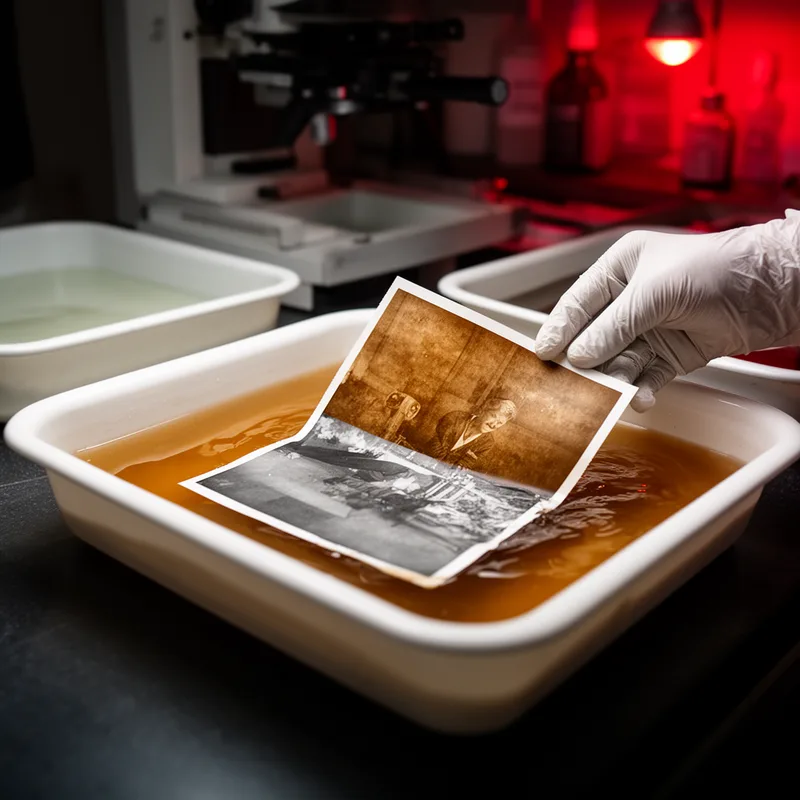
The photographer used a special toner to enhance the colors in the black-and-white print.
-
After processing the picture, she delicately dipped it into a toner to achieve a warm sepia tone.
-
To create striking artwork, he treated the images with various toners during the printing process.
How Light
1
4.8

- Archaic
1
6.5
Surface Forms
Morphology
Etymology
Toner for photos also comes from tone, meaning a 'shade' or 'color'. Photographic toner is a chemical used to change the 'tone' of a print (for example to make it sepia), so the word describes its effect on the picture.