
tiresomeness
- noun
- /ˈtaɪərsəmnəs/
- After hours of discussing the same topic, the tiresomeness of the meeting was palpable among the attendees.
Examples
-
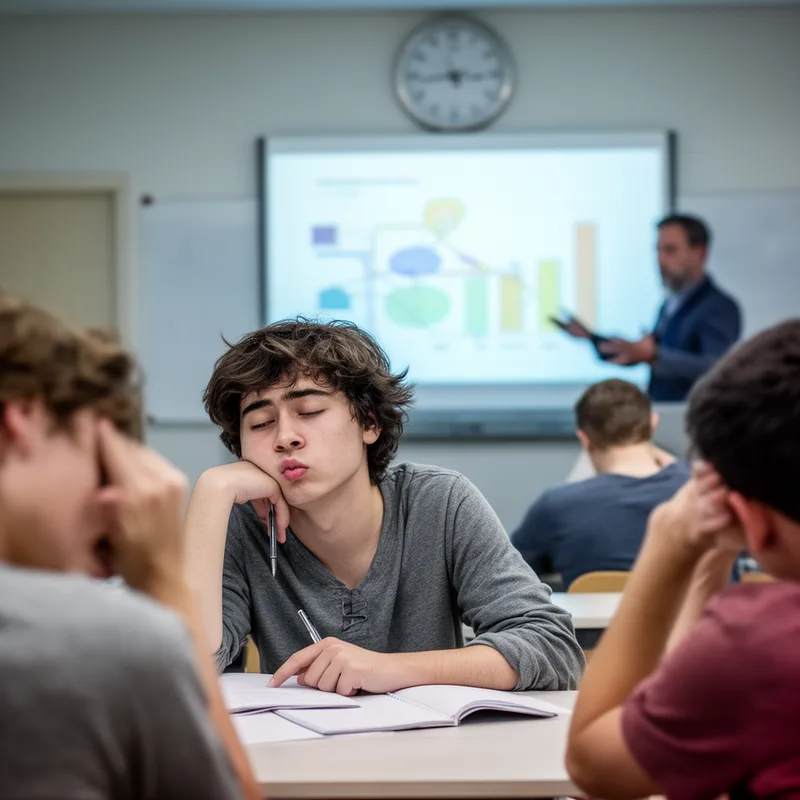
The tiresomeness of the lecture made it hard for students to stay focused and engaged.
-
Many audience members left the concert early due to the tiresomeness of the lengthy and monotonous performance.
-
I largely agree with what muirgeo writes above about the tiresomeness of "regime uncertainty," but most especially this:
Blog text (7) -
It is true that he composed far less after 1957 and that his playing ultimately grew repetitive to the point of tiresomeness, in part because of his deteriorating mental condition, but also because he chose to play his best-known tunes over and over again instead of expanding his repertoire.
Academic text (2010)
Synonyms

 85
1.3
85
1.3

A feeling of being tired and restless when you have nothing to do
 14
5.5
14
5.5
A boring feeling when things are the same again and again
 10
6.8
10
6.8
Feeling bored from doing the same thing for a long time
 2
3.8
2
3.8
A state that makes you lose interest
 1
6.0
1
6.0
A feeling that a task is boring because it is long or always the same
 1
4.8
1
4.8
Repeated use of the same words or actions that makes something boring
 1
6.2
1
6.2
A dull, gloomy feeling that makes things seem not interesting
 1
9.3
1
9.3
A lack of energy and interest in speech or writing
 1
3.7
1
3.7
Something that is not interesting or exciting


 1
9.6
1
9.6
Lack of flavor or interest that makes something dull

A lack of new ideas that makes something seem dull and familiar

Being dull and without strong taste or interest

A feeling that something is dull and boring
Antonyms


How Boring

Surface Forms
Morphology
Etymology
Tiresomeness comes from tire, meaning 'to make tired', and the ending -some, meaning 'causing'. So tiresomeness is the quality of 'causing tiredness', which is why we use it for something dull or boring that makes you feel tired or bored.