

tie-in
 1
6.5
1
6.5

- noun
- /ˈtaɪˌɪn/
- Specialized
- The blueprint shows how the tie-in will join the two sections of the building together.
- tie-ins with movies
- promotional tie-ins
- commercial tie-ins
Examples
-
Prime Minister Samuel Hinds referred to the photovoltaic system grid tie-in that has been installed at the GEA building.
Blog text (15) -
As shown in each of the main sections, North American productions serviced the dictatorships' propaganda through the images on screen as well as through promotional initiatives and commercial tie-ins.
Academic text (2017) -
Define system compatibility with shock mount (including sway clearance, tie-in, and structure stiffness).
Academic text (1993) -
The principal trade-off in the deal was that the federal government dropped the natural gas export tax and Alberta dropped the tie-in to world oil prices (Anderson 1981, 29).
Academic text (2004) -
Specify isolator, sway space, tie-in, and additional environments (such as chemicals, fluids, and ozone).
Academic text (1993) -
The engineer used a tie-in to securely connect the beams of the new bridge.
-
In construction projects, a strong tie-in is crucial for maintaining structural integrity.
Synonyms
 137
1.0
137
1.0
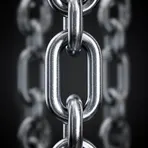
A small metal ring that connects parts of a chain
 107
1.0
107
1.0
A piece of string or ribbon used to fasten things together
 60
3.3
60
3.3
A part that joins parts so power, signals, or water can pass
 37
3.7
37
3.7
A part that joins two cables so they can carry power or signals
 26
3.9
26
3.9
A connection between things, for example air pollution and disease
 25
5.3
25
5.3
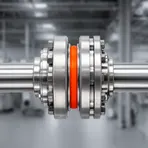
A device that connects two machine parts so they move together
 14
2.6
14
2.6
A small hook or buckle that fastens things together
 13
3.4
13
3.4
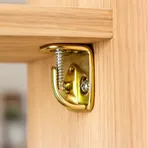
A part used to hold something in place
 11
2.9
11
2.9
The place where two things meet and are fixed together
 2
3.9
2
3.9
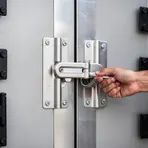
A thing that holds two parts together so they stay secure


 1
7.1
1
7.1
A bent nail end or knot that holds things together
 1
6.7
1
6.7
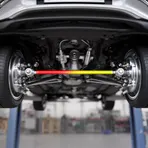
A rod that connects the steering parts to the front wheels so they turn together

A thing used to join two parts, often in machines or pipes

A knot used to hold things together

A long horizontal piece that stops two roof sides or walls spreading apart

A way of joining two things so they can send power or information
How Strong

Surface Forms
Morphology
Etymology
Tie-in comes from the simple verb tie ('to fasten') plus in ('into' or 'with'), so it literally means something that 'ties in' two parts together. Think of a metal plate or rope that you use to tie an extension to a wall or to join cables — that is why a tie-in is a connector or fastener used to join things.