
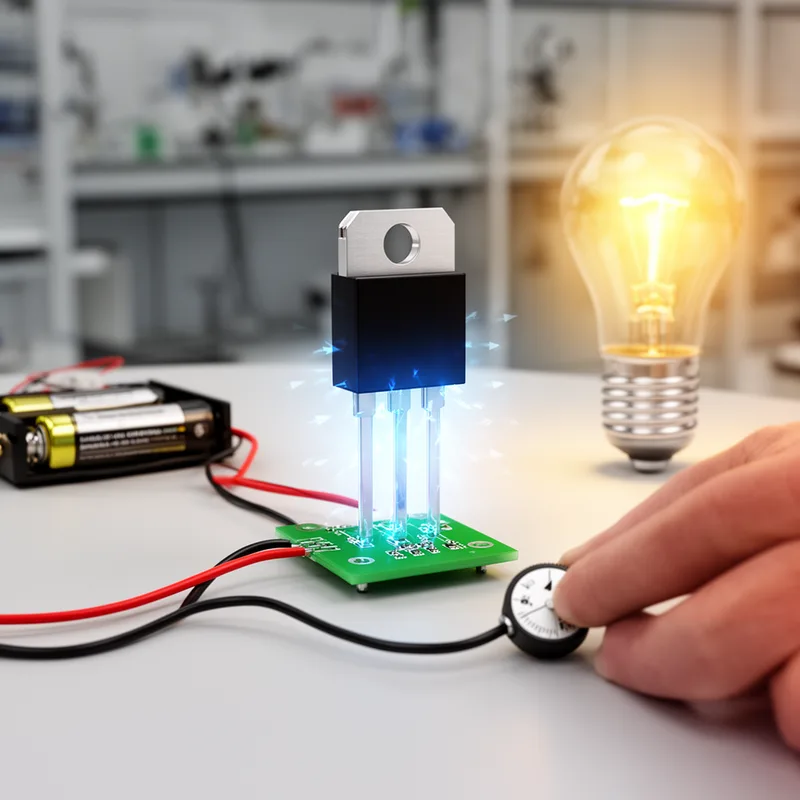
thyristor


 1
8.5
- noun
- /θaɪˈrɪstər/
- Specialized
- Gate-turn-off thyristors change the 25 kilovolts (50 Hz) AC power to three-phase power to run the traction motors.
- thyristors turn
Loading YouTube…
Watch on YouTubeIf I were working with giant gate turn off thyristors, then that would be a different story and then I would have to put some numbers on them.
- If I were working with giant gate turn off thyristors, then that would be a different story and then I would have to put some numbers on them.
Examples
-
If I were working with giant gate turn off thyristors, then that would be a different story and then I would have to put some numbers on them.
-
In this power supply, the thyristor functions as a switch to control the electrical current.
-
The main component in this circuit design is the thyristor, which regulates the flow of electricity.
-
To protect the system, a thyristor was added to manage the high voltage and prevent overload.
Synonyms
 26
5.1
A small electronic part that controls or makes electrical signals stronger
 1
9.9
A tube filled with gas that switches large electric currents very quickly
Surface Forms
Etymology
Thyristor is a name formed from two earlier device names: transistor (a common electronic switch or amplifier) and thyratron (an older gas-filled tube used as a switch). So a thyristor is a type of electronic switch that can allow or block electrical current, which is why it is used to control power in circuits.