
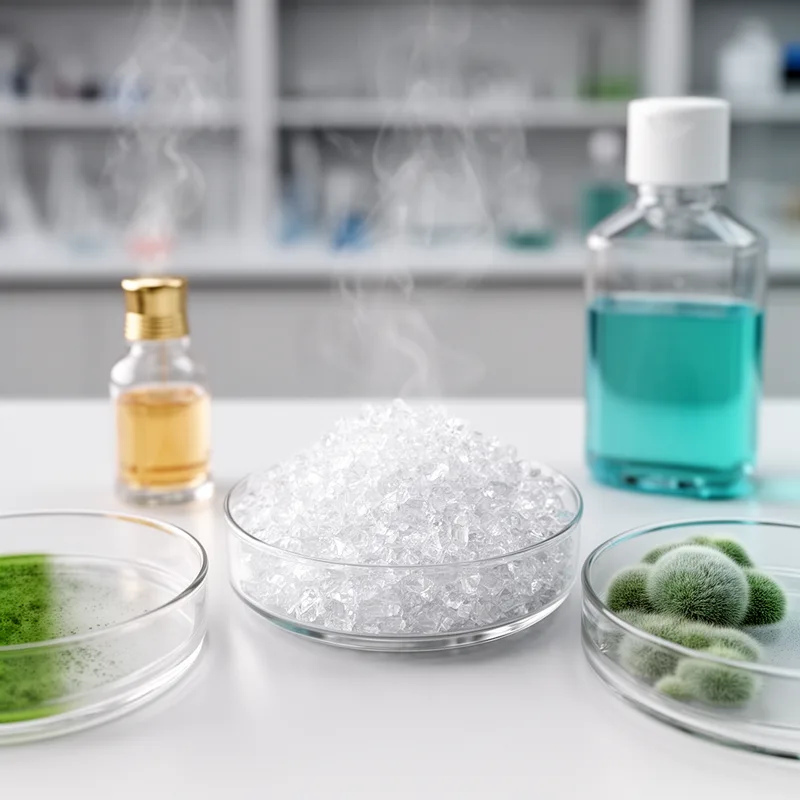
thymol
- noun
- /ˈθaɪmɒl/
- Specialized
- Thymol is a natural compound found in thyme oil that serves as an effective thymol.
Loading YouTube…
Watch on YouTubeBut thyme is an incredible because of thymol, because of carvacol, because of some of the other compounds that are found in it.
- But thyme is an incredible because of thymol, because of carvacol, because of some of the other compounds that are found in it.
Examples
-
Settle pyridinium chloride, eucalyptol, menthol, thymol, and methyl salicylate.
-
But thyme is an incredible because of thymol, because of carvacol, because of some of the other compounds that are found in it.
-
Aids digestion and includes thymol, which is a serious antibacterial and antifungal.
Blog text (25) -
There's an oil in thyme known as thymol, and it acts as both a disinfectant and an antiseptic.
Blog text (21) -
Garden thyme contains thymol, which is widely used for its antifungal properties in many household products.
-
In addition to its use in perfumes, thymol is known for its antibacterial effects in various medicinal applications.
Synonyms
A colorless solid used to preserve tissue and to kill germs in perfumes and medicine

A clear solid used in perfumes, to preserve samples, and to stop fungus or kill germs
Surface Forms
Morphology
Etymology
Thymol comes from the plant thyme and the chemical ending -ol, like in alcohol. So thymol is the chemical from thyme, which explains its strong scent and why it is used to kill germs and in perfumes.

