
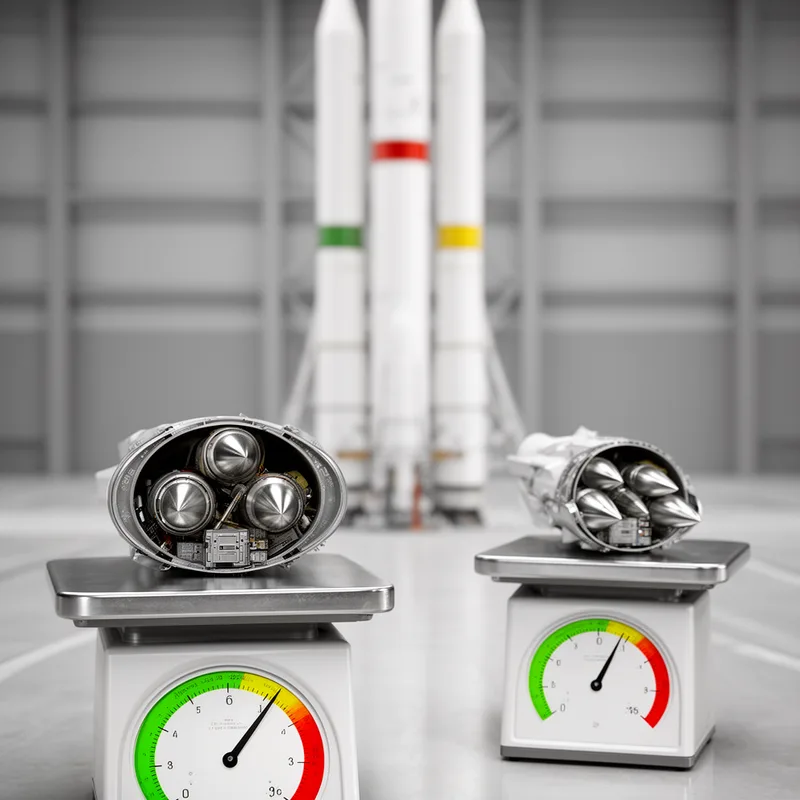
throw-weight
- noun
- /θroʊˈweɪt/
- Specialized
- The missile's throw-weight determines how much payload it can carry.
Examples
-
The new missile has a greater throw-weight than its predecessor, allowing it to carry more warheads.
-
Most modern missiles have a high throw-weight capacity.
-
Improvements in propulsion did not significantly increase the throw-weight of the missile.
-
Nuclear arms negotiations often focus on the throw-weight limitations of each country's missile systems.
-
The missile's throw-weight allows it to carry a heavy payload over long distances.
-
Experts are analyzing the throw-weight of different missile systems to compare their capabilities.
-
The military emphasized that increasing the throw-weight of their missiles would enhance national defense.
Surface Forms
Morphology
Etymology
Throw-weight comes from the everyday words throw, like 'to send' or 'to throw a ball', and weight, meaning 'how heavy' something is, so it helps to picture how heavy a thing you can throw. That is why throw-weight means the 'weight' a missile can 'throw' or deliver, not the weight of the rocket itself.

