
textural


 1
6.5
- adjective
- /ˈtɛkstʃərəl/
- Specialized
- A two-part chorus drives to a rapidly building textural crescendo.
- textural elements
Examples
-
The possibilities for creating interest through simple textural changes are endless.
Academic text (2001) -
In his compositions, he incorporates textural variations to create a richer auditory experience.
-
But it provides rich, interesting textural information, the very kind that deep learning needs to make sense of this world.
-
And it's just about sort of changing up the textural differences.
-
Moreover, a young musician who is made aware of textural and structural elements in pop music will probably be more sensitive to those same elements in more complex musical structures.
Academic text (1999) -
This work is an exploration in rhythmic and textural heterophany as we move through three distinct landscapes.
-
Additionally, Hanan composed several textural pieces of varying moods.
Blog text (19) -
They used broad and quick brushwork to create brisk, bold, yet distinctive textural contrasts across the painted surface.
Academic text (2015) -
In "A Waist," Stein's "effort to express an emotion" creates the poem's textural feeling, those affective and tactile surfaces that mark the dynamic border between inside and outside, subject and object.
Academic text (2017) -
Nirvana's "Smells Like Teen Spirit" (1991) exhibits textural details that might be called both coarse and more finely grained.
Academic text (2017)
Synonyms
 6
7.2
Relating to how parts are arranged in a work like a painting or piece of music
How Layered

Surface Forms
Morphology
Etymology
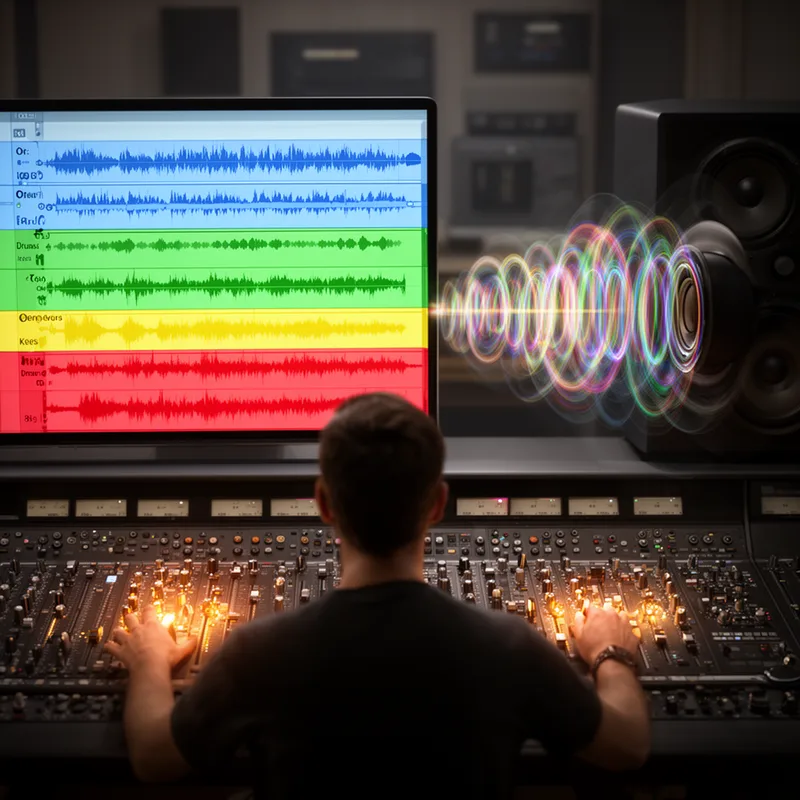
Textural comes from the Latin root texere, which means 'to weave', and is the same root in texture and textile. A helpful image is threads of sound woven together, so textural describes how musical parts are joined to make the overall 'feel' or quality of the sound.