
terminus
- noun
- /ˈtɜːrmɪnəs/
- Specialized
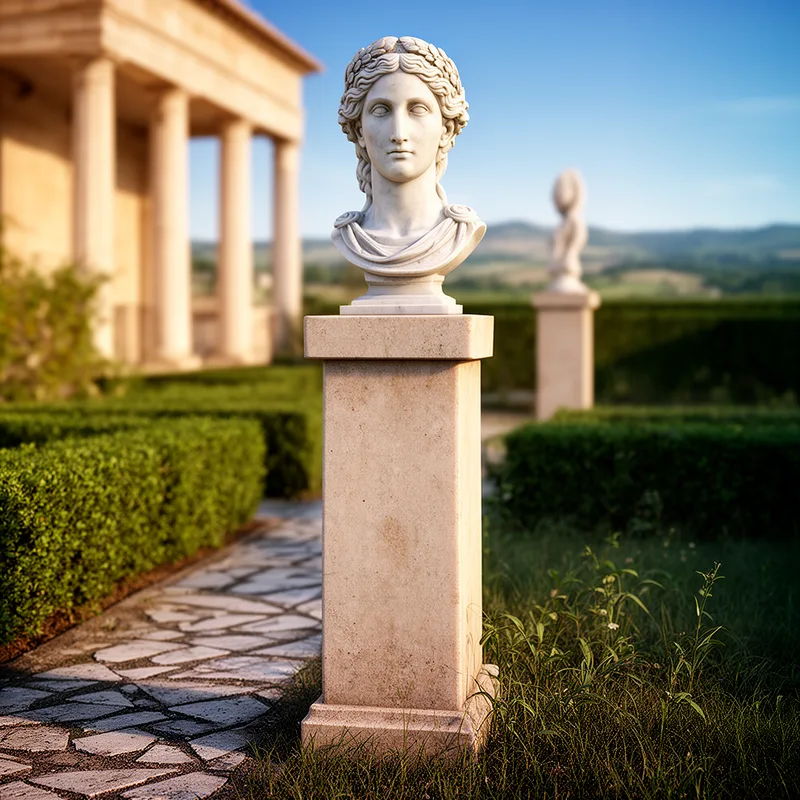
- In ancient Rome, a terminus often marked the boundary between two properties.
Examples
-
The grip itself and the terminus of the pommel are covered with hammered gold, and in this terminus, there are twenty-one round holes into which black hair is attached by means of tiny wooden pegs.
Academic text (1994) -
The impressive terminus of the temple featured a beautifully carved statue on its pillar.
-
Terminus was the Roman god who defined and enforced boundaries and frontiers.
Fiction book (2000) -
The stairs end in a dark, damp dirt cellar and the remnants of the terminus of the old elevator shaft.
Fiction book (2001) -
The adoption of this terminus technicus (technical term) has persisted in architecture until the twentieth century.
Academic text (2000) -
Historians found the terminus of the Roman road, where a decorative figure once stood.
Synonyms

 5
9.9
5
9.9

A carved statue or bust on top of a pillar that marks a boundary

A carved statue, often a head or animal, placed on a square pillar to mark a boundary
Compounds


Surface Forms
Etymology
Terminus comes from the Latin word terminus, meaning 'boundary' or 'limit'. In ancient Rome a terminus was a stone marker or carved figure placed at a border to show where land ended. So in architecture a terminus is a statue or carved pillar used as a boundary marker.