
taurine


 1
9.5
- adjective
- /ˈtɔːrɪn/
- His costume included a taurine mask with large, curved horns.
Examples
-
Many ancient cultures revered taurine deities as symbols of strength and fertility.
-
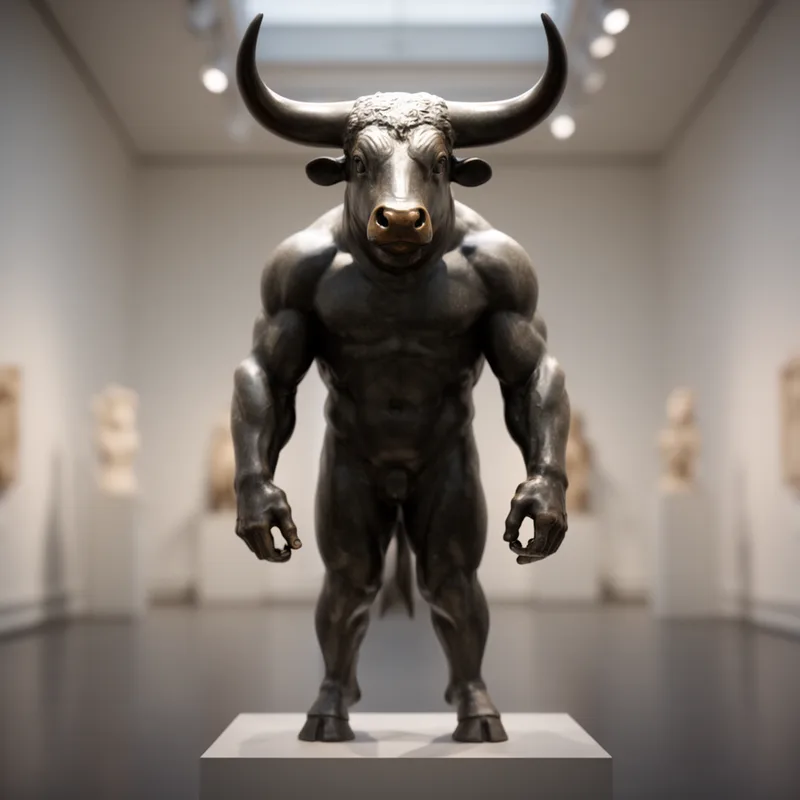
The taurine features of the sculpture gave it a powerful presence in the exhibit.
-
The taurine bull symbolizes strength and resilience.
-
The taurine features of the bull were emphasized in the painting.
-
The artist captured the taurine symbolism in the statue, representing the might of bulls in ancient cultures.
-
In the ceremony, they honored the taurine tradition that celebrates the strength and spirit of bulls.
-
The taurine characteristics of the painting made it feel bold and alive, much like a powerful bull.
Surface Forms
Morphology
taurine = Taurus (opaque) = taur + ine
Although the meaning 'relating to bulls' follows from the Latin root, the combining form 'taur-' is not a familiar English base for most learners, so the relation is not transparently recoverable.
Etymology
Taurine comes from the Latin taurus 'bull', so as an adjective it means 'bull-like' or 'relating to bulls', which explains why it describes strong, horned, or bull-shaped features.