
tantra
 3
9.9

- noun
- /ˈtæntrə/
- NSFW
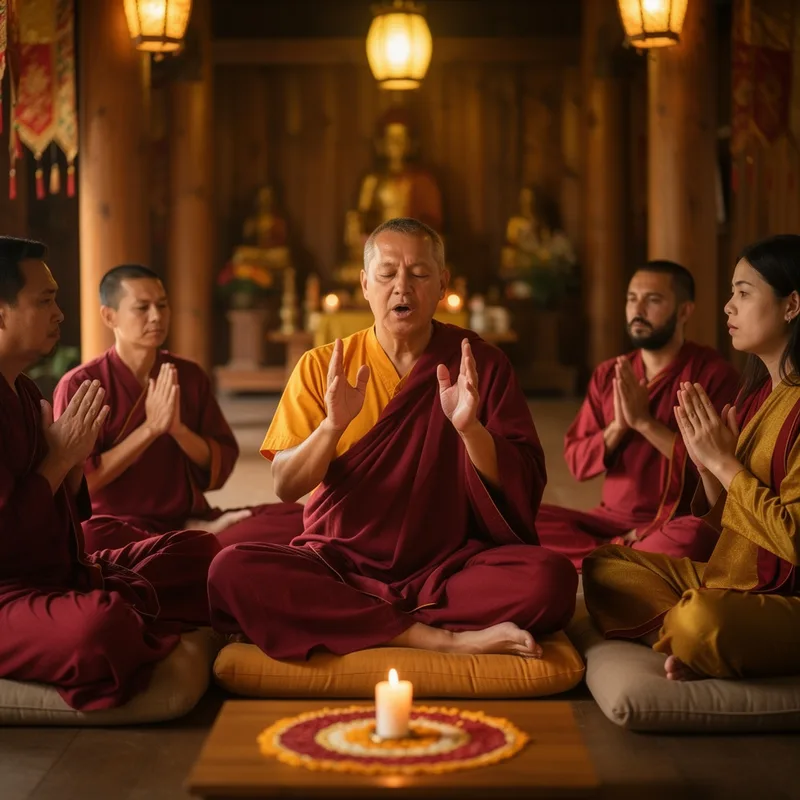
- Phowa, or opening the heavenly doors, is similar to the descriptions of the brahmarandhra of Hindu Tantra (which is practiced in Nepal).
- Hindu tantra
Loading YouTube…
Watch on YouTubeAnd a really important part of that story is how Tantra affected yoga.
- And a really important part of that story is how Tantra affected yoga.
- There's so much within Tantra and exploring the multi sensory experience that it is to be a human being.
- I love to read, yeah, but whenever I read Tantra or Tantra Tantra tantric Tantra, I just always reminds me of Sting and his tantricness.
Examples
-
Tantra teaches us that within each individual lies potential completeness and fulfillment, the perfect blending of opposites.
Blog text (30) -
In both Buddhist and Hindu Tantra, the ultimate, innermost essence of being and knowing is something "more" than Emptiness; it is mahasukha, the "great bliss."
Academic text (1993) -
Yet that is not strange news for those of us who practice the art of Tantra.
Blog text (18) -
And a really important part of that story is how Tantra affected yoga.
-
In the tantra practice, we imagine all of this simultaneously.
Blog text (6) -
Tantra is not just a sexual system, as many people believe, though it uses sexuality.
Blog text (30) -
There's so much within Tantra and exploring the multi sensory experience that it is to be a human being.
-
As a published writer, Chandresh provokes spiritual dialogue in themes such as meditation, repressed emotions, and Tantra.
Blog text (15) -
Studying tantra together can offer couples a new definition of lovemaking.
-
In medieval India, tantra devotees sought to fuse the male and female aspects of the cosmos into a blissful state of consciousness.
Synonyms

 1
9.9
A religious tradition in Hinduism and Buddhism that uses rituals, chants, and meditation
Compounds
- Indian
A traditional part of Ayurveda that treats poisoning from food, snake bites, animal bites, and insect stings
Surface Forms
Etymology
Tantra comes from the Sanskrit parts tan meaning 'to weave' or 'to stretch' and -tra meaning 'tool' or 'way'. Think of tantra as a 'weaving' of practices—body, speech and mind—into one spiritual system, which is why the word names paths that aim for unity and enlightenment.