
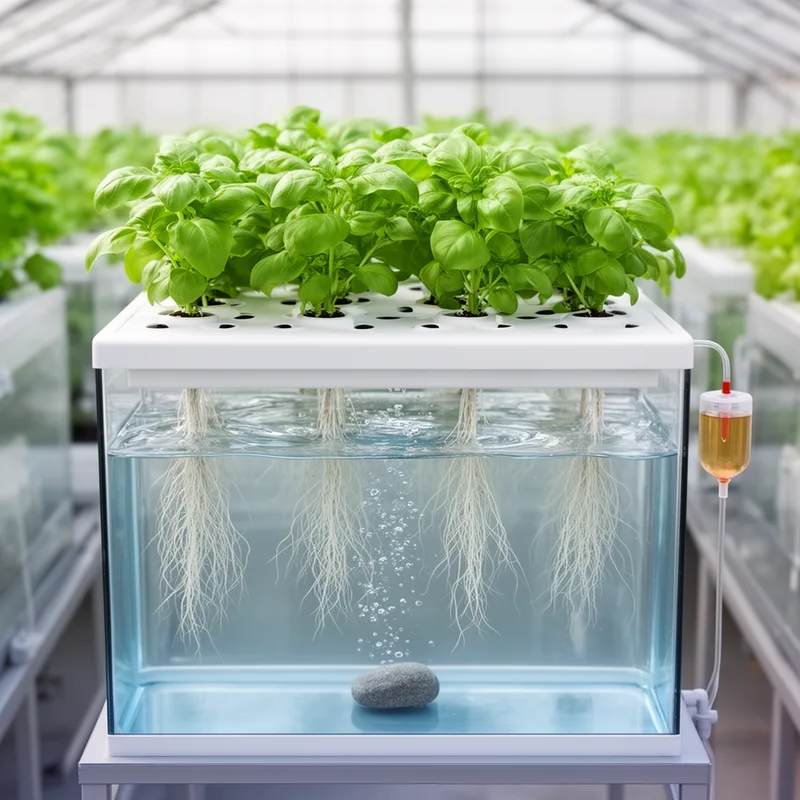
tank farming
- noun
- /tæŋk ˈfɑrmɪŋ/
- Specialized
- Many commercial greenhouses use tank farming to maximize their vegetable yields throughout the year.
Examples
-
Tank farming can help conserve water compared to traditional soil-based agriculture.
-
The science fair project demonstrated how tank farming enables rapid plant growth in a controlled environment.
-
Many farmers are now using tank farming to grow vegetables.
-
Have you heard about tank farming?
-
Tank farming allows urban gardeners to grow fresh vegetables in small spaces without soil.
-
He started a tank farming operation to produce organic herbs for local restaurants.
-
In areas with poor soil, tank farming offers a sustainable way to cultivate crops successfully.
Synonyms
 7
6.6
7
6.6

Growing plants in water with added plant food instead of soil

Growing plants in water without using soil
How Controlled
- Specialized

- Specialized
7
6.6
Surface Forms
Morphology
The meaning 'a method of growing plants in tanks with nutrient water' is directly and predictably derived from combining 'tank' (a large container for liquids) with 'farming' (cultivating crops): it denotes a type of farming that uses tanks. This noun+noun compositional pattern is straightforward and cross-linguistically common, so a B1 learner who knows both constituents would readily infer the intended meaning.
Etymology
Tank farming may come from the simple image of a tank, a large water container, being used for farming plants. That's why today the term means 'growing plants in water instead of soil'.