

to tan
 3
6.5
3
6.5

- verb
- /tæn/
- Specialized
- This contained a quantity of tea strong enough to tan a mule's skin.
Loading YouTube…
Watch on YouTubeThey use the elk's brains to tan the hide, which makes it softer and more supple.
- They use the elk's brains to tan the hide, which makes it softer and more supple.
Examples
-
They use the elk's brains to tan the hide, which makes it softer and more supple.
-
"If you let this steep much longer, we'll be able to tan hides with it.
Fiction book (1991) -
You want me to tan your little hide for you?
-
The artisan used traditional methods to tan the cowhide, turning it into beautiful leather.
-
To preserve the animal's skin, we must tan it properly with tannins from tree bark.
-
Before crafting bags, the workshop workers need to tan the hides to make them durable and pliable.
Idioms

Compounds


 1
9.9
1
9.9
A member of a British force who helped the police in Ireland to stop the independence movement, 1919–1921
 1
9.9
1
9.9
A Chinese gambling game where players bet on how many counters remain under a bowl after grouping them by four
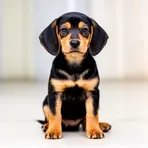
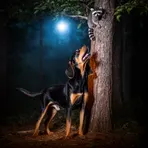
A large strong American hunting dog with black fur and tan marks that hunts raccoons

- Informal
A dark mark on the skin showing where clothing does not cover you in the sun
How Processed

Surface Forms
Etymology
The verb tan (to turn animal skins into leather) comes from an old word for the bark used in the process, which changed skins into brown, usable leather. So to tan is to treat a skin so it becomes leather.