

tailplane


 1
8.8
1
8.8
- noun
- /ˈteɪlˌpleɪn/
- Specialized
- The pilot adjusted the controls to correct the angle of the tailplane, ensuring a smooth landing.
Examples
-
To think about the tailplane, remember they the tailplane is actually flying in the downward direction, so the angle of attack of the tail is negative.
-
The ever-so-slight delamination of the Kevlar from the foam core is no more, and the tailplane is ready for action.
Blog text (13) -
The vertical tailplane of the first A350 XWB that will fly, fresh out of the paint hall in Toulouse, France.
Blog text (10) -
Other advanced features included control surface trim tabs, autopilot, and deicing boots for the wings and tailplane.
Blog text (32) -
The tailplane of the aircraft is crucial for maintaining stability during flight, as it helps control the pitch.
-
Engineers inspected the tailplane carefully to ensure it was secure before the plane's next flight.
Synonyms
 1
6.7
1
6.7
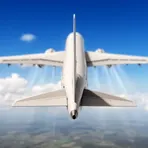
A fixed flat part at the tail of a plane that keeps the nose steady

A flat surface at the tail of a plane that keeps the nose level and controls up-and-down movement
Surface Forms
Morphology
Etymology
Tailplane combines tail ('back') and plane ('flat surface' or 'wing'). So a tailplane is the flat, wing-like surface at the back of an aircraft that keeps it steady and holds the moving part that controls its up-and-down motion.