

tactus
- noun
- /ˈtæktəs/
- Specialized
 :
tactus
:
tactus
- In Renaissance music, the tactus helped musicians keep a consistent tempo.
Examples
-
Learning to feel the tactus is important for interpreting early Baroque pieces.
-
In Baroque music, the tactus often dictates the tempo.
-
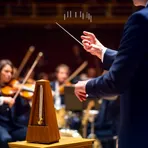
The choir followed the conductor's tactus to stay together during the performance.
-
The tactus is essential for maintaining rhythm.
-
The choir followed the conductor's tactus to stay together during the performance.
-
In Renaissance music, the tactus helped musicians keep a consistent tempo.
-
Learning to feel the tactus is important for interpreting early Baroque pieces.
Synonyms
A steady beat that gives the basic timing in music or poems

A repeated pattern of beats that musicians use to keep time in Indian classical music
Surface Forms
Etymology
Tactus in music comes from the Latin verb tangere, which means 'to touch'. Think of a conductor's steady hand 'touching' the time — that steady touch became the musical 'tactus', the pulse that keeps players together. The same root is in English words like tactile, which also relate to touch.

