
tachinid
- adjective
- /təˈkɪnɪd/
- Specialized
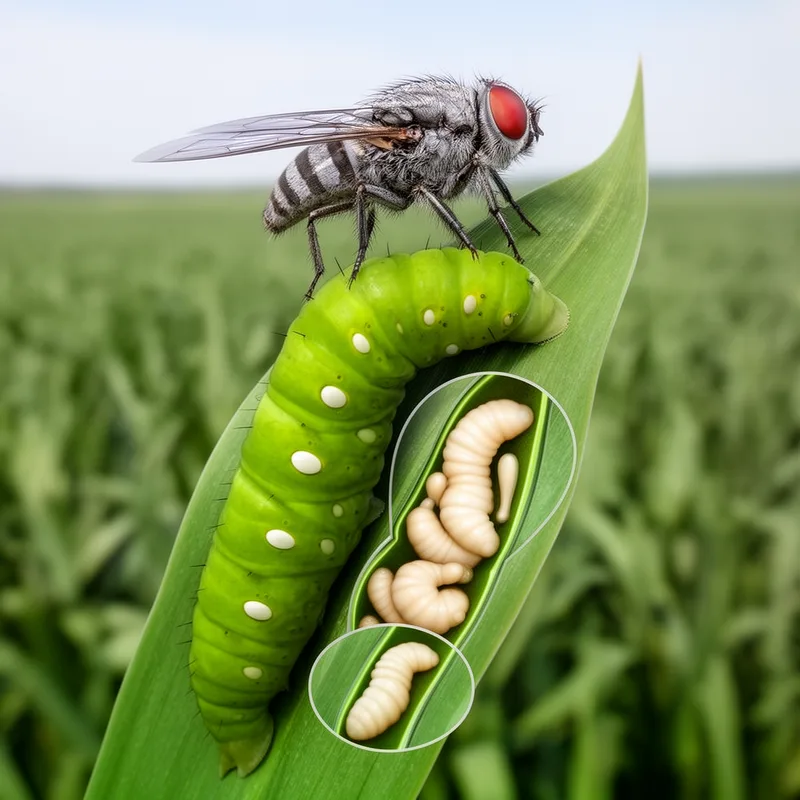
- Farmers often encourage tachinid flies as a natural way to control crop pests.
Examples
-
The tachinid larvae develop inside caterpillars, eventually killing their hosts.
-
Many tachinid species are important in biological control.
-
A tachinid species was introduced to help reduce the population of invasive beetles.
-
The tachinid fly laid its eggs on the caterpillar.
-
The tachinid larva consumes the host from within, ultimately leading to its demise.
-
Farmers support the presence of tachinid flies because they effectively manage agricultural pests.
-
Research shows that tachinid flies play a crucial role in controlling invasive insect populations.
Surface Forms
Morphology
tachinid = Tachinidae (semi-transparent) = tachin + id
Formed with the taxonomic suffix '-id' from the family name Tachinidae; the morphological pattern is regular but requires biological/taxonomic knowledge and the root 'tachin' is not a standalone English word.
Etymology
Tachinid comes from the scientific family name Tachinidae, formed from the genus Tachina and the family ending. A helpful way to remember it is to think of tachy- 'fast', as in tachycardia, because these flies act quickly on other insects, so tachinid means 'relating to' that fast-acting family of flies.

