
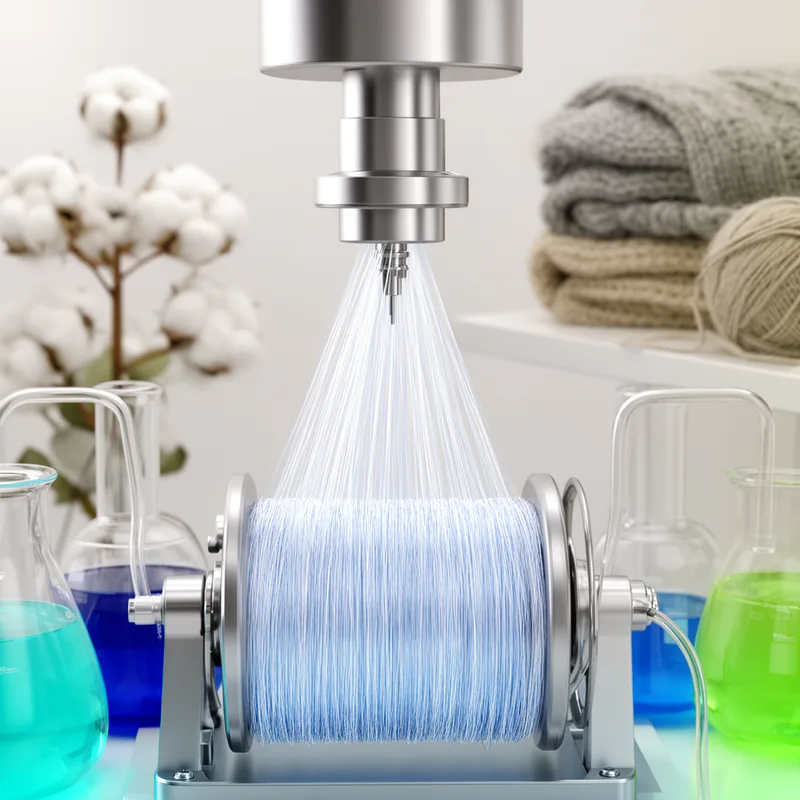
synthetic fiber
 1
4.0
1
4.0

- noun
- /sɪnˈθɛtɪk ˈfaɪbər/
- Specialized
- A stronger, cooler fabric is needed—cotton breathes, synthetic fibers do not.
- synthetic fibers such as nylon
- made from synthetic fibers
- synthetic fiber for clothing
Loading YouTube…
Watch on YouTubeAnytime an article of clothing contains synthetic fibers, that's plastic.
- Anytime an article of clothing contains synthetic fibers, that's plastic.
- Even pads, you know, a lot of pads have synthetic fibers as well.
Examples
-
Many athletic clothing brands use synthetic fibers to enhance breathability and moisture-wicking.
-
Homespun cloth was replaced by commercial fabrics, and wool yarns by synthetic fibers.
Academic text (1997) -
You can see the synthetic fibres are just absorbing that very, very top layer.
-
"It said, among other things, "Simple tips include avoiding clothes made of synthetic fibers, which can melt on the skin during a cabin fire."
Fiction book (1995) -
Anytime an article of clothing contains synthetic fibers, that's plastic.
-
He pulled his gray armor over his head, feeling the silky texture of the synthetic fibers.
Fiction book (1992) -
He prefers jackets made from synthetic fibers because they are lightweight and durable.
-
The carpet was made of synthetic fibers, which made it more stain-resistant than traditional wool options.
Synonyms


 1
3.7
1
3.7
A fiber produced by people from chemicals or other materials, not the kind that grows on living things
Antonyms

How Synthetic

Surface Forms
Morphology
The meaning 'a fiber produced by chemical synthesis' is directly and transparently derivable from 'synthetic' (made artificially) combined with 'fiber' (a filament used for textiles). This compositional noun phrase follows a regular adjective + noun pattern that is cross-linguistically common, so a B1 learner who knows both words will readily infer the MWE meaning.
Etymology
The noun synthetic fiber comes from the parts synthetic, meaning 'made by people', and fiber, meaning a thin 'thread'. So the words create the image of thin threads made in a factory or lab from chemicals instead of from plants or animals, and that's why it means 'a man-made thread used for clothing and carpets'.