
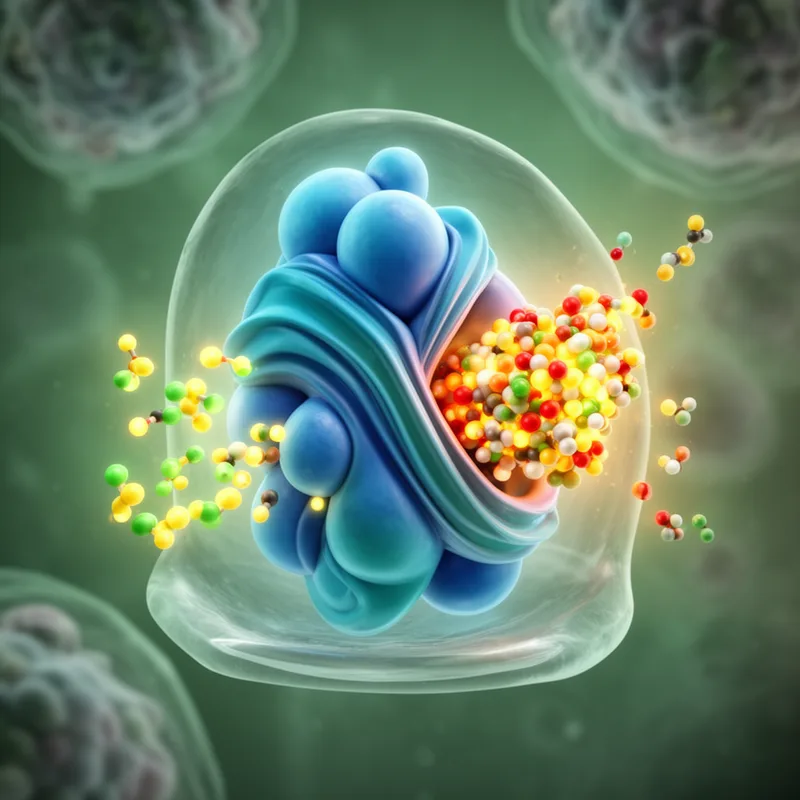
synthase
 1
7.2

- noun
- /ˈsɪnθeɪs/
- Specialized
- NO is a potent vasodilator synthesized from L-arginine by two distinct NO synthases in vessel walls.
- nitric oxide synthase
- methionine synthase
- synthase inhibitor
Loading YouTube…
Watch on YouTubeSo we can think about fatty acid synthase as a paradigm here.
- So we can think about fatty acid synthase as a paradigm here.
- So the the thinking is that that might actually lower ADMASDMA and raise nitric oxide synthase.
Examples
-
The fatty acid synthase plays a crucial role in the production of lipids in living organisms.
-
High ADMA concentrations block nitric oxide synthase activity in vitro and inhibit endothelium-dependent vasodilation in animals and in human beings.
Academic text (2001) -
So we can think about fatty acid synthase as a paradigm here.
-
So in fatty acid synthase we have two monomer units.
-
When asparagine is not present in the medium, the asparagine synthase gene expression is increased.
Academic text (2017) -
Asparagine is synthesized from aspartate with the reaction catalyzed by asparagine synthase.
Academic text (2017) -
Regulation of endothelial nitric-oxide-synthase activity by ADMA is likely to modulate the progression of atherosclerosis.
Academic text (2001) -
Asymmetrical dimethylarginine (ADMA) is an endogenous inhibitor of nitric-oxide synthase.
Academic text (2001) -
Methionine bypasses the metabolic block (B, fig. 1); stimulation of residual methionine synthase activity with hydroxocobalamin continues.
Academic text (1991) -
Asparagine synthase is an important enzyme that facilitates the conversion of aspartate into asparagine.
Synonyms
 108
4.2
A protein made by living cells that makes certain chemical changes in the body happen faster
Surface Forms
Morphology
synthase = synthesize (semi-transparent) = synth + ase
The relation to 'synthesize' is clear, but '-ase' is a technical enzyme-naming suffix that may be unknown to general learners.
Etymology
Synthase comes from the root synth seen in synthesis and synthesize, meaning 'put together', and the ending -ase is the common part used for enzyme names. So, a synthase is an enzyme that 'puts things together' to make molecules.