

synchronoscope
- noun
- /ˈsɪŋkrənoʊskoʊp/
- Specialized
- A pilot monitors the synchronoscope to ensure both propellers are operating in unison.
Examples
-
The engineer used a synchronoscope to align the engines.
-
The synchronoscope indicated that the generators were out of phase and needed adjustment.
-
Maintenance crews regularly check the synchronoscope when servicing the aircraft's engines.
-
Can you explain how a synchronoscope works?
-
A pilot monitors the synchronoscope to ensure both propellers are operating in unison.
-
Maintenance crews regularly check the synchronoscope when servicing the aircraft's engines.
-
The synchronoscope indicated that the generators were out of phase and needed adjustment.
Synonyms

 1
7.2
1
7.2

A device that makes two machines move together at the same speed
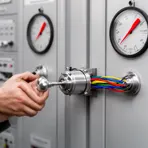

 1
9.9
1
9.9
A device that makes one part move exactly like another to show exact position
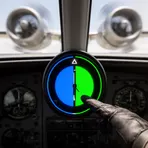
An instrument that shows whether two parts, like engines or generators, turn at the same speed
Surface Forms
Morphology
synchronoscope = synchrony (semi-transparent) = syn + chron + scope
The parts point to a device for observing something happening at the same time, but the term is technical and not fully predictable for an average learner.
Etymology
Synchronoscope comes from the parts synchron- ('together in time') and -scope ('to look' or an instrument for looking), like in synchronize and telescope. So a synchronoscope is a device for 'looking' to see if two movements happen at the same time, which is why pilots and engineers use it to check propellers or generators.