

sympathomimetic
- adjective
- /ˌsɪmpəθoʊˈmɪmətɪk/
- Specialized
- Many sympathomimetic substances can mimic the effects of adrenaline, leading to heightened alertness and energy.
Examples
-
The abuse of NPS has been linked to violence and aggression, sympathomimetic symptoms, acute organ failure, psychosis, as well as fatalities.
Academic text (2016) -
There are reports of sympathomimetic medications and one case of sildenafil citrate causing CSCR; however, few medications have been found to have such a causal relationship.
Academic text (2007) -
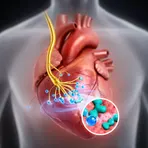
The doctor prescribed a sympathomimetic drug to help increase the patient's heart rate during the emergency.
-
His symptoms included increased heart rate and perspiration, typical effects of a sympathomimetic response.
Synonyms
 1
9.9
1
9.9

Relating to nerve cells or receptors that respond to adrenaline
Antonyms

Surface Forms
Morphology
sympathomimetic = mimetic (semi-transparent) = sympatho + mimetic
The form 'sympatho-' (referring to the sympathetic nervous system) combined with 'mimetic' ('imitating') directly reflects the technical meaning, but both elements are specialised medical/technical forms not familiar to average learners.
Etymology
Sympathomimetic combines sympatho-, the same root as sympathy meaning 'feeling with' and used for the body's 'sympathetic' system, and -mimetic, like mimic, meaning 'to copy'. So a sympathomimetic drug 'copies' the actions of the body's 'sympathetic' system and acts like adrenaline to raise heart rate or open airways.