
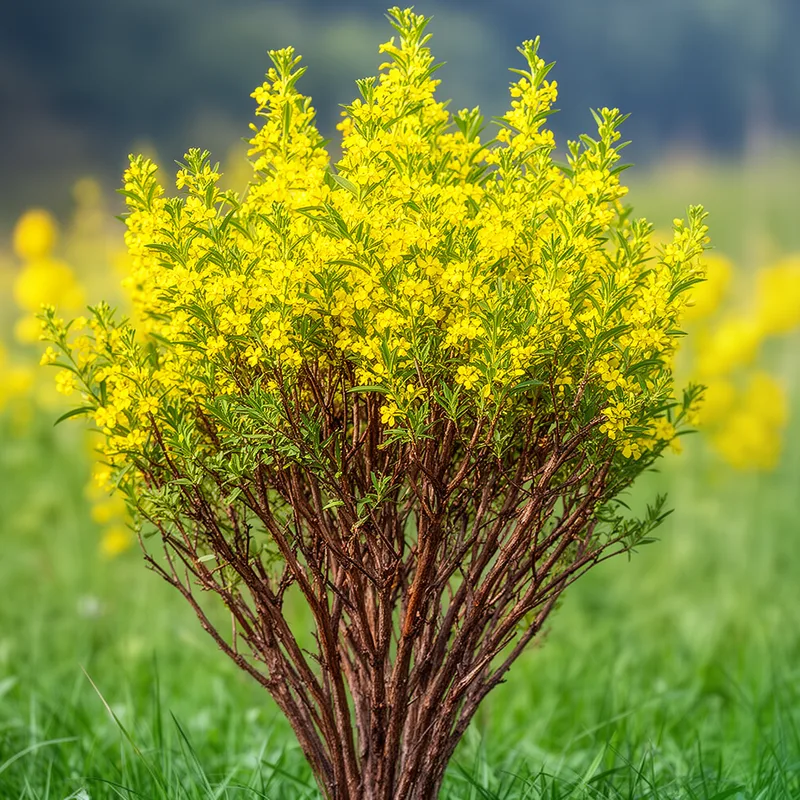
swallowwort
- noun
- /ˈswɑloʊˌwɜrt/
- Gardeners often mistake swallowwort for other wildflowers due to its yellow blossoms.
Examples
-
Some species of swallowwort can spread aggressively and become invasive.
-
Many gardeners appreciate the vibrant yellow flowers of swallowworts.
-
The fields were dotted with swallowwort blooming brightly in early summer.
-
The swallowwort bloomed beautifully in the garden.
-
In the spring, the garden was filled with swallowwort, showcasing its striking yellow flowers.
-
The local park is known for its patches of swallowwort, which attract numerous pollinators.
-
During summer, the swallowwort plants thrive, adding vibrant color to the landscape.
Synonyms

A plant that lives for many years with bright yellow flowers in dry, rocky places
A plant with bright yellow flowers and woody stems that grows in Europe and western Asia

A plant that lives for many years and has bright yellow flowers called greater celandine

A plant that lives for several years with woody stems and bright yellow flowers often in shady places
Surface Forms
Morphology
Etymology
Swallowwort comes from swallow (the bird) and wort 'plant'. The name was given because people thought the plant's shape or seeds looked like a swallow, so it is an easy way to remember a bright yellow wildflower that can spread quickly.

