
superstructural
- adjective
- /ˌsuːpərˈstrʌkʧərəl/
- Specialized
 :
superestructural
:
superestructural
- Understanding the superstructural components of a city can clarify how urban planning impacts community interactions.
Examples
-
Pfaffenberger uses historical and contemporary data from Sri Lanka to argue that indigenous structural and superstructural controls have overridden and continue to override any order materially imposed by the acquisition of new technologies or productive systems.
Academic text (1995) -
The connection of things to production was considered too distant and superstructural, while the actual unmediated relation between them, embodied in material forms of productive consumption and pure consumption, was disregarded or never noticed.
Academic text (1997) -
High art traditions were superstructural, resting above a material base and rearticulating the divide between the free realm of the intellectual, philosophical, theoretical, and the servile realm of the necessary and the everyday material provision for life.
Academic text (2014) -
Cage, for example, perhaps because of his involvement with Zen Buddhism, appears to ascribe metaphysical powers to the note once it has been liberated from all supposed superstructural baggage.
Academic text (1997) -
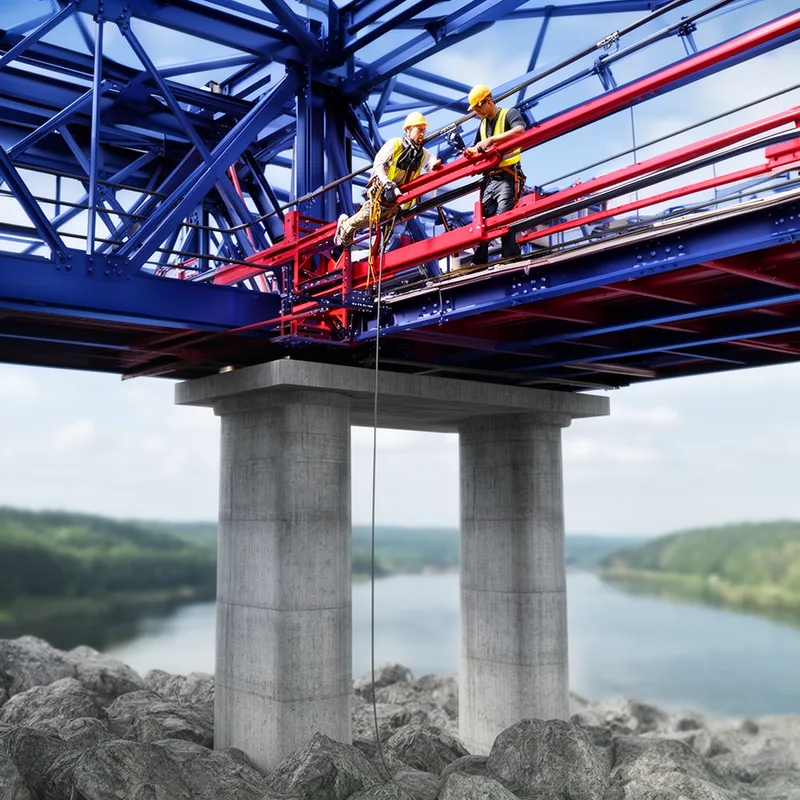
The architect's design focused on the superstructural elements that would enhance the building's aesthetic appeal.
-
In the theory of social systems, superstructural factors often shape the ideological frameworks of society.
Synonyms

 101
4.2
101
4.2

The parts of a building or object that keep it strong and standing
Antonyms

Surface Forms
Morphology
superstructural = superstructure (semi-transparent) = super + structure + al
The adjective is formed regularly from the noun superstructure with -al, but the specialized technical or theoretical sense is not fully obvious to all learners.
Etymology
Superstructural comes from super- ('above') and structure ('something built'). So it describes the parts built on top of a base: the physical parts above a building's foundation or the ideas and rules that sit on top of an economy, which is why we use it for both architecture and theory.