
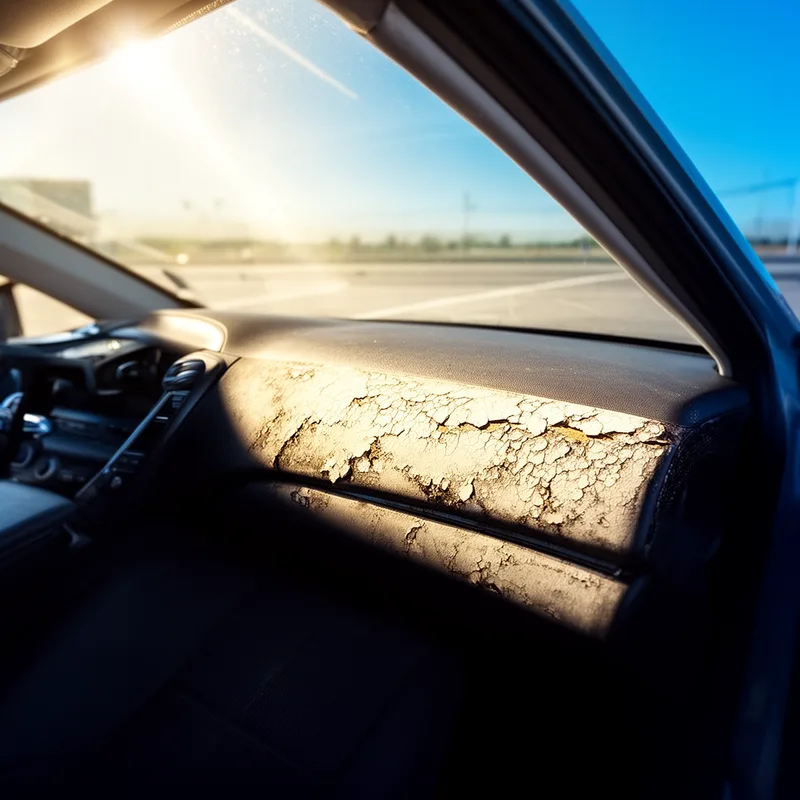
to sunscald
- verb
- /ˈsʌnˌskɔld/
- Gardeners often use cloth to prevent young plants from being sunscalded during hot afternoons.
Examples
-
If you remove the tree's lower branches too quickly, the bark may sunscald in the summer heat.
-
Leaving your car outside all day can sunscald the dashboard and fade the upholstery.
-
Don't sunscald the new plants!
-
The sun can sunscald your plants.
-
To protect the delicate seedlings, we covered them with shade cloth to prevent them from being sunscalded by the strong afternoon sun.
-
If the potted plants are left in direct sunlight for too long, they can easily sunscald and suffer irreversible damage.
-
During the heatwave, it is essential to water the garden regularly to avoid letting the leaves sunscald under the intense heat.
Antonyms


How Damaged

Surface Forms
Morphology
Etymology
Sunscald used as a verb keeps the same parts, sun and scald ('to burn'), so to sunscald a plant or surface is to burn or damage it by long, strong sun.