
suctorial


 1
9.9
- adjective
- /sʌkˈtɔːriəl/
- Specialized
- The remora’s suctorial organ allows it to cling to larger marine animals for transportation.
Examples
-
The suctorial adaptations of the octopus help it capture prey.
-
The leech attaches to its host using its suctorial mouthparts.
-
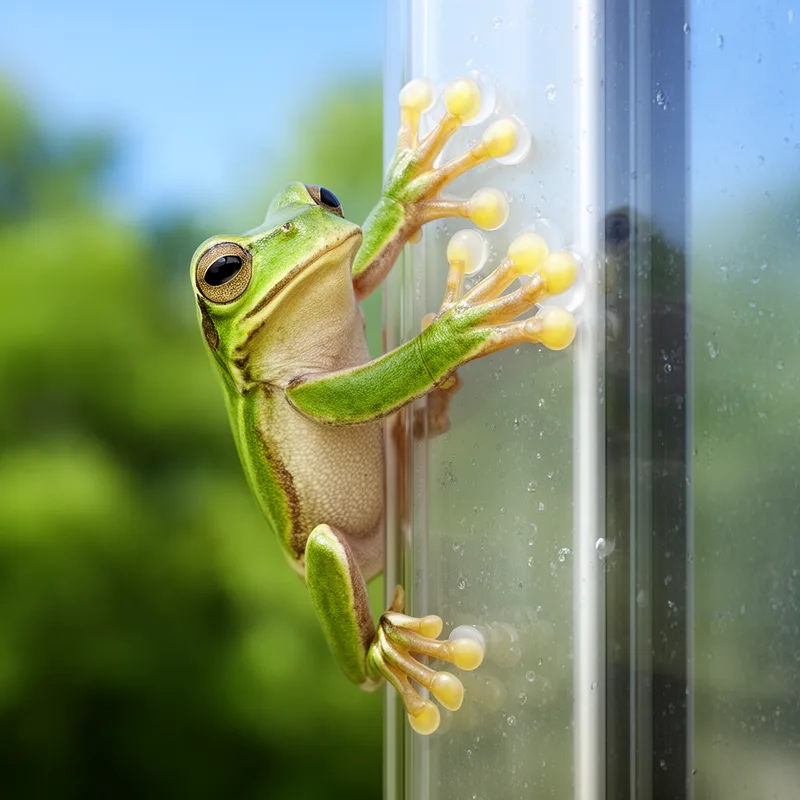
Certain frogs have developed suctorial disks on their toes to climb smooth surfaces.
-
Some fish have suctorial mouths that allow them to feed efficiently.
-
The octopus has suctorial arms that help it hold onto rocks and prey.
-
Many insects have suctorial mouthparts for feeding on nectar and blood.
-
Certain species of frogs possess suctorial pads on their feet to adhere to surfaces.
Surface Forms
Morphology
suctorial = suction (transparent) = suct + orial
Formed from the notion of 'suction' (or the verb 'suck') with a standard adjectival ending meaning 'pertaining to or adapted for sucking'; learners who know 'suck' or 'suction' can infer the meaning.
Etymology
Suctorial comes from the root suct- meaning 'to suck', the same idea you hear in the everyday words suction and suck. So a suctorial part is one made for sucking or for holding on by suction, like a suction cup, which explains its modern meaning.