
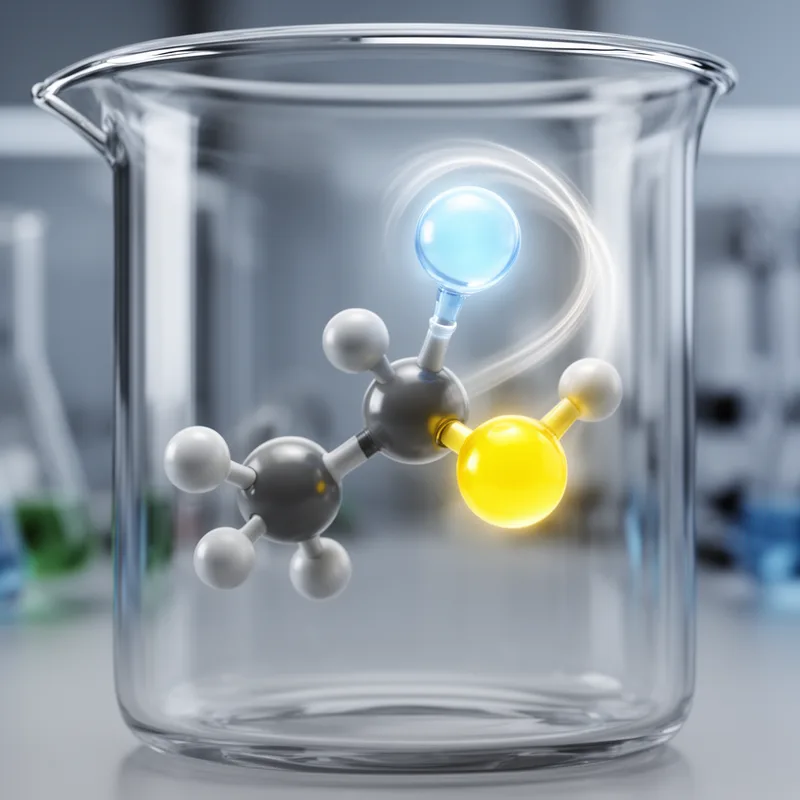
substitutive
- adjective
- /ˈsʌbstɪtjuːtɪv/
- Specialized
- A substitutive reaction occurs when one atom in a molecule is replaced by a different atom.
Examples
-
In organic chemistry, substitutive mechanisms are common in the synthesis of various products.
-
The substitutive reaction altered the compound's properties.
-
The chemist explained the substitutive process that led to the new compound.
-
In chemistry, a substitutive process is crucial for synthesis.
-
A substitutive reaction occurs when one atom in a molecule is replaced by a different atom.
-
The chemist explained the substitutive process that led to the new compound.
-
In organic chemistry, substitutive mechanisms are common in the synthesis of various products.
Surface Forms
Morphology
substitutive = substitute (semi-transparent) = substitute + ive
Formed directly from 'substitute' + '-ive', but the sense refers to a specialized chemical substitution process, so understanding the full meaning requires domain knowledge.
Etymology
Substitutive comes from Latin parts sub- 'in place of' and -stitute 'to place', and it shares the same root as the familiar word substitute. So a substitutive reaction is one where an atom or group is 'placed in the position' of another, which explains the chemical meaning.

