
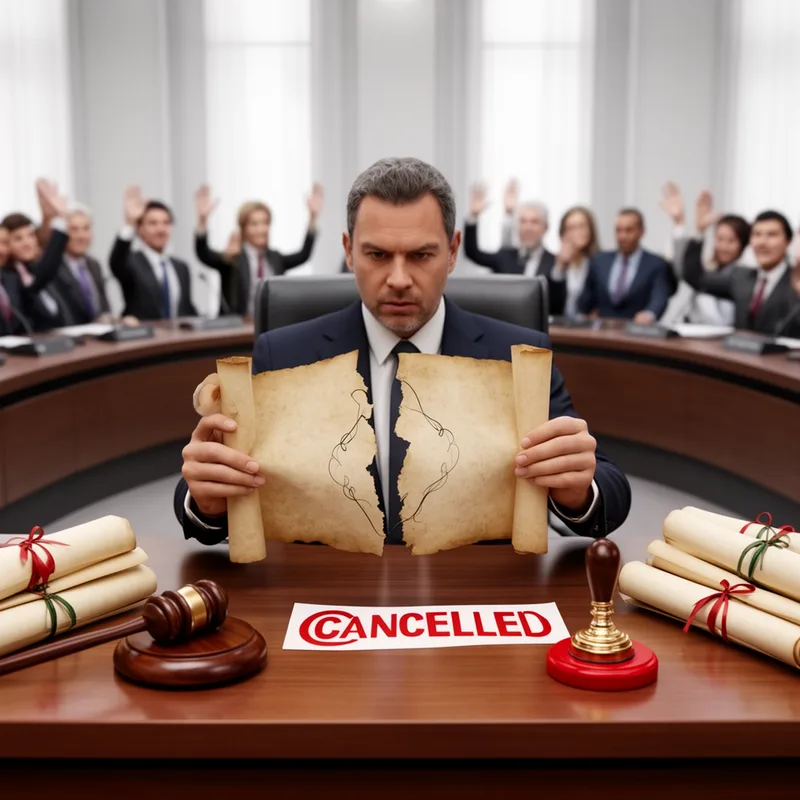
to sublate
- verb
- /səˈbleɪt/
- Archaic
- In the old charter, the king could sublate any law he deemed unnecessary.
Examples
-
The law will sublate the previous regulations.
-
The committee sublated the outdated policies.
-
The reformers hoped to sublate outdated customs that no longer served the community.
-
Historians noted the council's decision to sublate the ancient regulations.
-
The reformers hoped to sublate outdated customs that no longer served the community.
-
In the old charter, the king could sublate any law he deemed unnecessary.
-
Historians noted the council's decision to sublate the ancient regulations.
Synonyms

 143
4.3
143
4.3

To cancel a law or rule so it no longer applies
 112
4.1
112
4.1
To officially end a law, system, or practice
 96
6.2
96
6.2
Officially stop something from being valid, for example a license
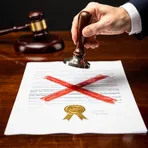 10
8.8
10
8.8
To officially cancel a law, agreement, or right
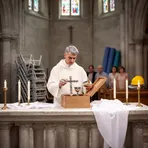

 1
9.9
1
9.9
Officially say that a place such as a church or altar is no longer holy
 1
9.9
1
9.9
Remove religious use from a place or object so people can use it for ordinary things
Surface Forms
Etymology
Sublate comes from Latin parts sub- ('up' or 'away') and latus ('carried' or 'lifted'), the same lat root in elated ('lifted up'). Because it originally meant 'lift away', sublate was also used to mean to take away or remove something, such as a law or custom.