
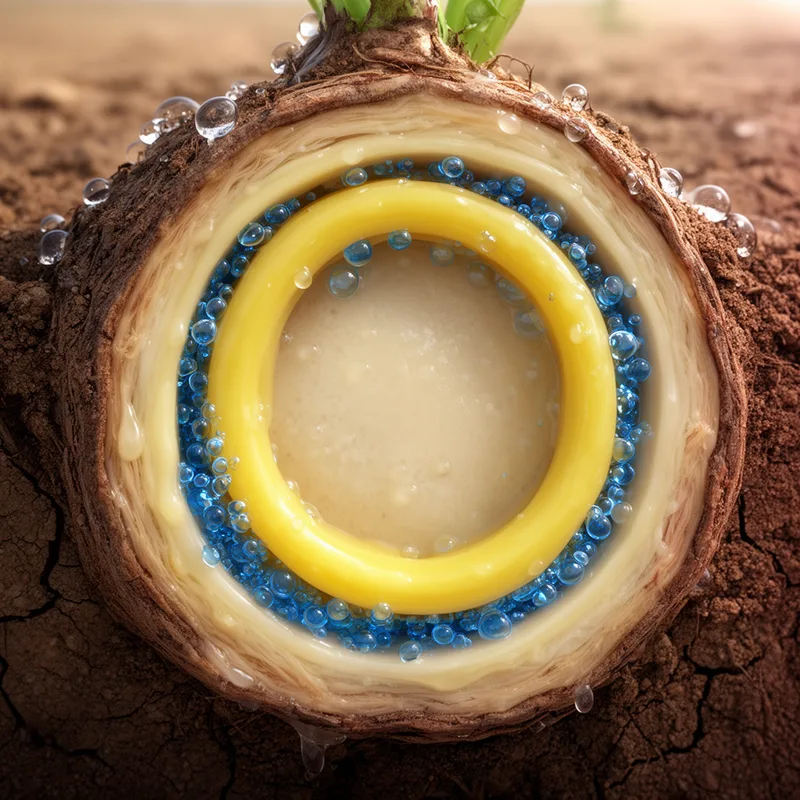
suberin


 1
9.9
- noun
- /ˈsjuːbərɪn/
- Specialized
- The bark of cork oak trees contains high levels of suberin.
Examples
-
Scientists study suberin to understand how plants survive in dry environments.
-
The cork cells in tree bark are rich in suberin, making them resistant to water.
-
The presence of suberin in roots helps prevent excessive water loss.
-
Many plants produce suberin to reduce water loss.
-
The outer layer of cork oak contains suberin, which prevents water loss and protects the plant from environmental stress.
-
Researchers found that suberin accumulation in plant roots increases during drought conditions to aid water conservation.
-
Suberin is a crucial component that helps plants retain moisture by forming a protective barrier in their cell walls.
Surface Forms
Morphology
suberin = cork (opaque) = suber + in
The forming element 'suber' is a Latin combining form meaning 'cork' and is not a recognizable English base for average learners; '-in' indicates a chemical substance, so the term is technical and not transparently derivable by a B1 learner.
Etymology
Suberin comes from the Latin root suber, which means 'cork'. A helpful way to remember suberin is to think of cork: it is a waxy, waterproof material in plants that, like cork, helps protect tissues and prevent water loss.