
subdomain
 3
3.7
3
3.7

- noun
- /ˈsʌbˌdoʊˌmeɪn/
- Texting
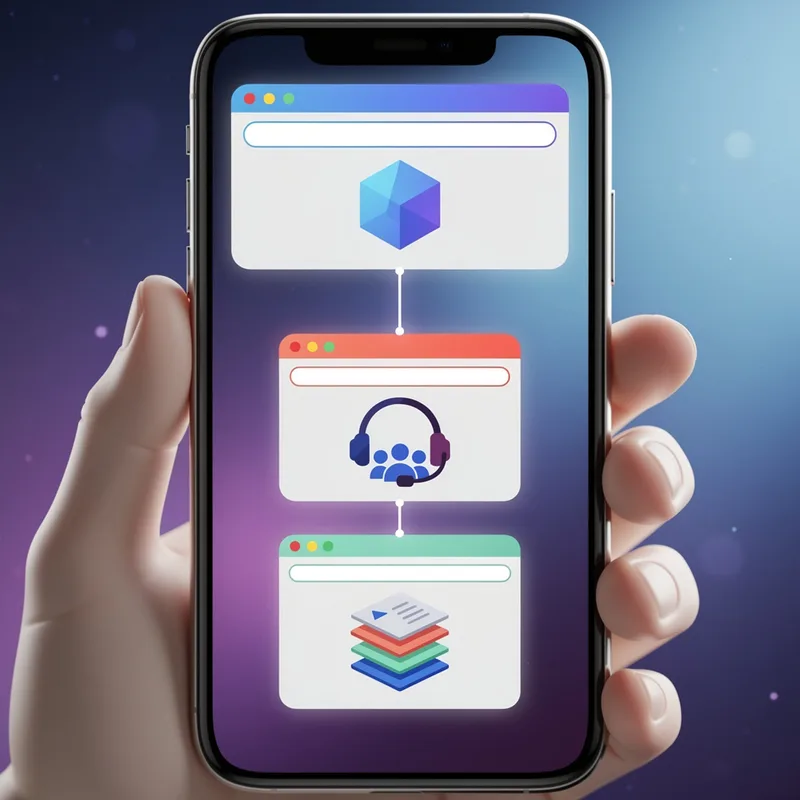
- The subdomain shop.example.com hosts the online store, distinct from the main company website.
Examples
-
The blog can be reached at the subdomain blog.example.com, which is separate from the main site.
-
To manage website traffic effectively, many companies create a subdomain for their customer support services.
-
I came to realize that, similar to the real estate market, you could sell someone a subdomain or email address.
Blog text (30) -
Facebook can understand how many likes a given domain or subdomain has gotten over time.
Blog text (33) -
About.com features a whole subdomain dedicated to American history.
Blog text (9) -
For example, what if some cloud companies had a subdomain and they could use it to advertise their company?
Blog text (30) -
Why would a user think to log into their Basecamp account at some updatelog.com subdomain?
Blog text (2) -
The views, opinions, and information expressed in articles and blog posts published on all subdomains are those of the authors alone.
Blog text (5) -
Selling subdomains and vanity email addresses while keeping the domain for the domain holder's use.
Blog text (30) -
When you join something like this—or yoursite.wordpress.com, yoursite.tumblr.com, etc., your subdomain is actually being treated as its own domain.
Blog text (9)
Surface Forms
Morphology
Etymology
Subdomain comes from the parts sub- 'under' and domain 'area' or 'territory'. So a subdomain is a smaller section 'under' the main domain, which is why websites use subdomains for parts like a blog, support page, or a department site.