
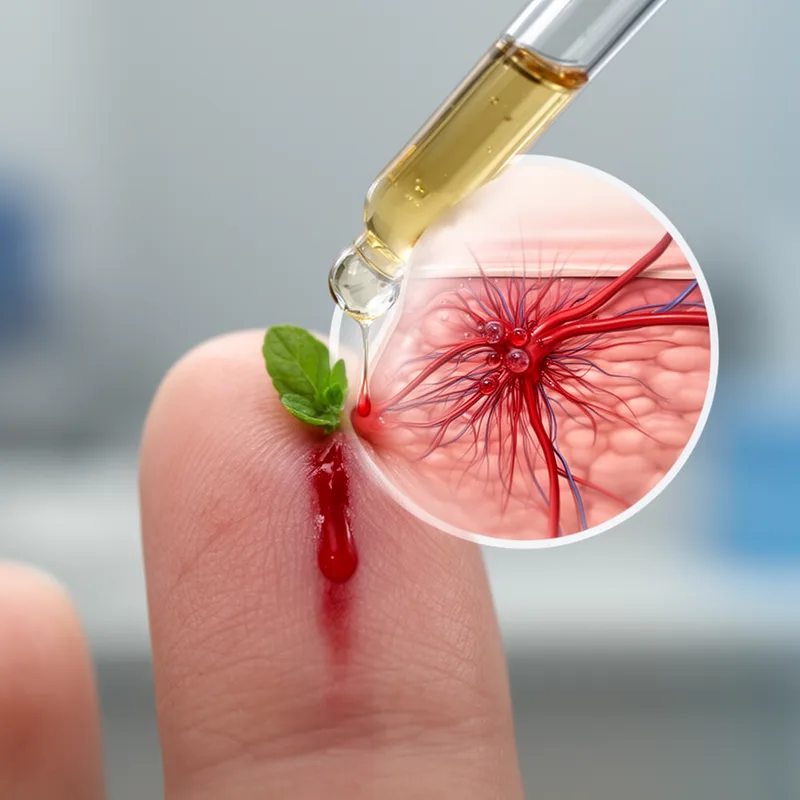
stypsis
- noun
- /ˈstɪp.sɪs/
- Specialized
- Some medical compounds are prized for their stypsis in stopping nosebleeds.
Examples
-
The stypsis of certain herbs makes them valuable for treating minor cuts and wounds.
-
Certain medications can enhance stypsis during surgery.
-
Wine with high stypsis can cause a puckering sensation due to tissue contraction.
-
The doctor noted the stypsis in the patient's wound.
-
The herbal ointment's stypsis helped stop the bleeding from her small cut.
-
Doctors often rely on the stypsis of sutures to close wounds effectively.
-
Certain plants exhibit strong stypsis, making them useful for natural remedies in bleeding control.
Synonyms
A property that makes body tissues tighten and reduces bleeding or fluid flow

The ability to make blood vessels get smaller or larger
Surface Forms
Morphology
stypsis = styp + sis
Formed from a Greek combining-stem (styp-) + the learned suffix -sis; the root is not a standalone English word and the meaning is not derivable by an average B1 learner from its parts.
Etymology
Stypsis comes from the Greek root styp- which means 'to squeeze' or 'press together'. So stypsis is the quality of tissues or medicines that make parts tighten and help stop bleeding, like pressing a cut to close it.

