
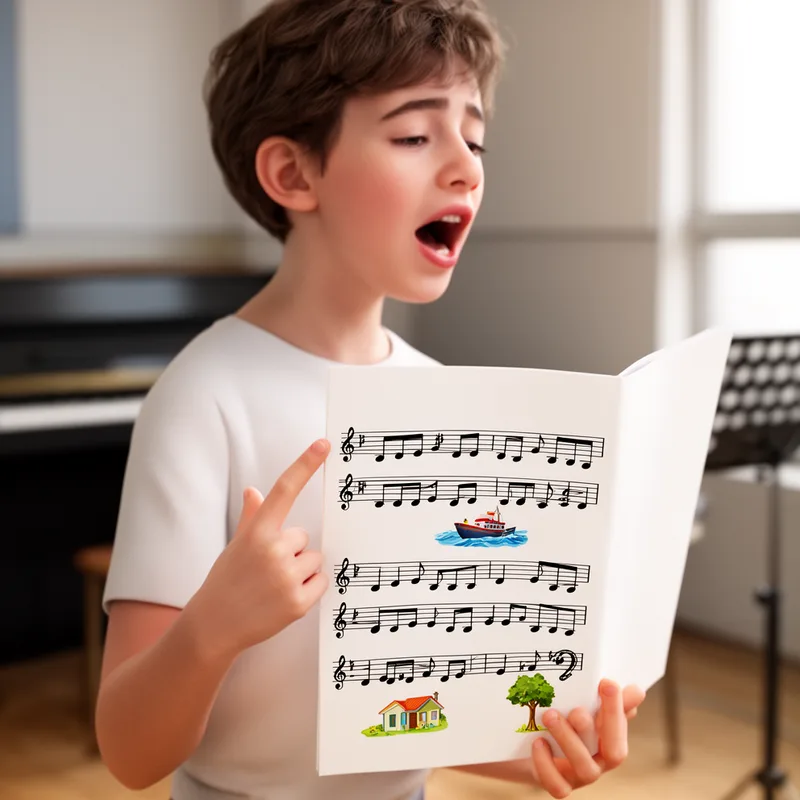
strophic
- adjective
- /ˈstrɒfɪk/
- Specialized
- After an introduction by the viola repique, the duo sings a strophic song with a storyline in parallel thirds.
- strophic song
Examples
-
Many traditional folk songs are strophic, featuring repeated melodies for every verse.
-
Now these two forms brought together synthesized as a single strophic form in Shelley, are coded in entirely different ways.
-
Strophic A (verses all using the same melody, like a hymn)
Academic text (2001) -
Three works were written in a strophic style: some stanzas for Elias Martin entitled "I mina anlets drag."
Academic text (1996) -
In the large Kraus Singbok dating from around 1788, a majority of the German, French, and Italian songs are strophic in nature, reflecting a trend of the more traditional German Lied form of Reichardt, et al.
Academic text (1996) -
Each piece was strophic and contained two verses, which made for coherent sectioning of the strophes to allow nearly equal parts of expressive and unexpressive playing by the pianist.
Academic text (2013) -
The song was composed in a strophic style, with each verse set to the same melody.
-
In a strophic structure, the music remains consistent while the lyrics change with each stanza.
Synonyms
A poem that has groups of lines forming separate parts
How Stanzaic

Surface Forms
Morphology
Etymology
Strophic comes from the old Greek root stroph meaning 'turn' and is linked to the idea of a 'stanza' or section of a poem. So, a strophic song repeats the same music for each stanza, which makes the song easy to remember.

