
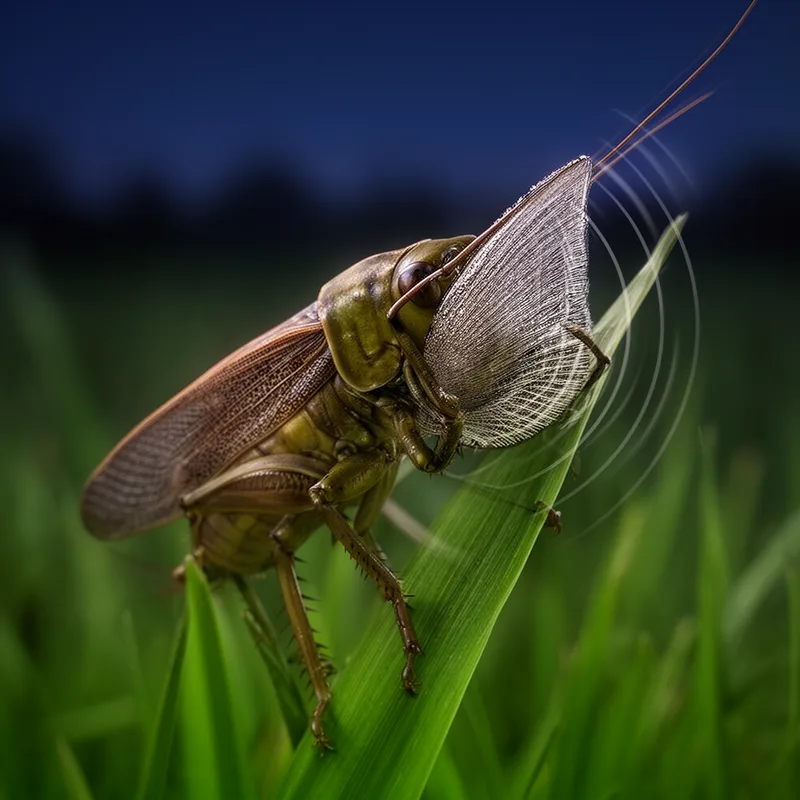
to stridulate


 1
9.9
1
9.9
- verb
- /ˈstrɪdʒʊleɪt/
- Specialized
- They had no wing casings with which to stridulate; indeed, they had no wings; they had no mandibles to click; and the chemical method was unknown to them, since they were devoid of antennae.
- Ants stridulate
Examples
-
At night, the crickets would stridulate loudly, filling the air with their musical sounds.
-
[crickets stridulating]
-
During the summer, we often hear frogs stridulating near the pond.
-
The sound of the insects stridulating in the grass created a peaceful atmosphere in the garden.
Synonyms
 9
3.2
9
3.2
A harsh, rough sound made when one thing rubs another

To make a sharp creaking or rattling sound by rubbing body parts together
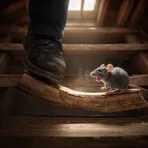
To make a high sharp squeaking sound like a mouse or an old door
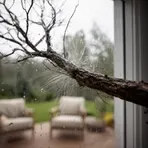
To make a harsh scraping sound by rubbing against a surface

To make a crisp rustling sound when fabric moves
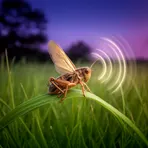
To make a short high sound like a bird or insect
Antonyms

How Shrill

Surface Forms
Morphology
stridulate = stridul + ate
The root 'stridul' is a Latin combining form not used as a standalone English base, so the meaning cannot be reliably derived by a typical B1 learner from familiar English morphemes.
Etymology
The word stridulate comes from a Latin root strid- that means 'to make a harsh, creaking sound', and you can see the same idea in strident. Imagine a cricket rubbing its legs to make a high, shrill noise — that is exactly what it means when insects 'stridulate'.