

striate
- adjective
- /ˈstraɪ.eɪt/
- Specialized
 :
estriado
:
estriado
- The rest of the muscle in our body is striated skeletal muscle.
- striate cortex
The rest of the muscle in our body is striated skeletal muscle.
- The rest of the muscle in our body is striated skeletal muscle.
- So there's a point at which that tissue changes from smooth to striated.
Examples
-
Triglyphs are triple striated bands and you can see them up there, the triple striated bands and in between them square panels.
-
So this is the main striated muscle fiber, OK?
-
Their vision of antiquity was complex, striated, multicultural.
-
So you don't have the type synapse synaptic context the striated muscles have with the muscle in place.
-
They're more dense, more thick, and there's more of a almost striated nature to them where you can actually feel the textural change in the leaf.
-
The artist carefully striated the surface of the sculpture to create a textured finish.
-
The leaves of the plant were striated, showcasing beautiful parallel lines on their surface.
-
The geological formation was striated, with distinct grooves running along the rock face.
Synonyms

Paper with printed lines to help you write
Antonyms


Compounds

- Specialized
Part of the back of the brain that gets signals from the eyes for vision
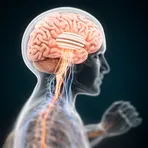
- Specialized
Part of the brain made of white and grey matter that helps control movement

- Specialized
The part of the brain at the back that receives visual signals from the eyes
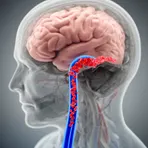
- Specialized
A small vein in the brain that carries blood away from a deep part into a larger vein
How Striated

Surface Forms
Morphology
Etymology
Striate comes from the Latin stria, meaning 'groove' or 'line', and is the same root as stripe, so a striate surface is one that is marked with thin, parallel lines or grooves.