
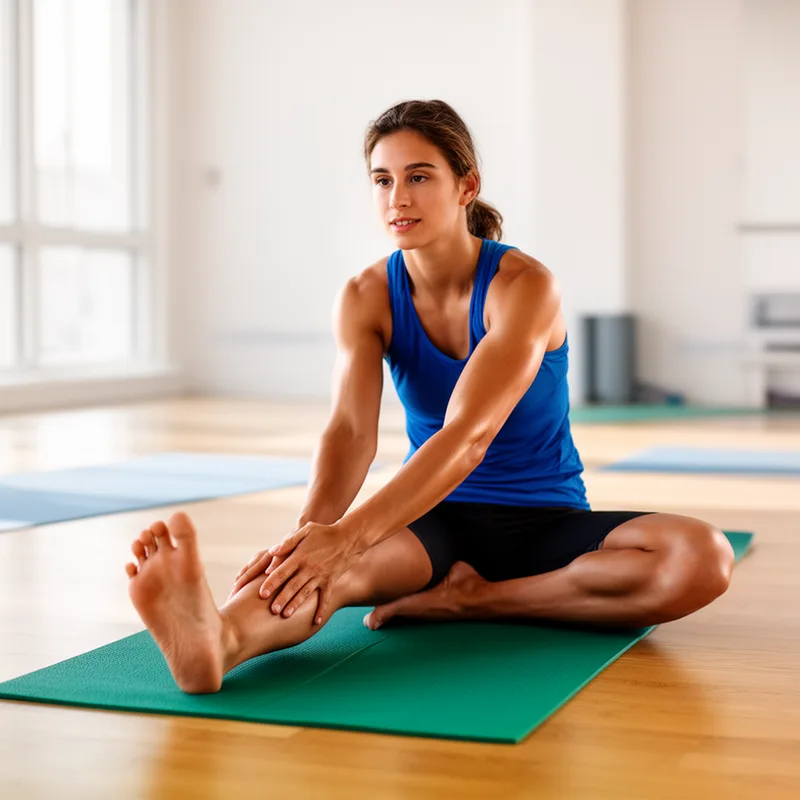
stretched
- adjective
- /strɛtʃt/
- He felt much better after his muscles were thoroughly stretched during the warm-up session.
Examples
-
After a long workout, she made sure to do some exercises to keep her muscles stretched and flexible.
-
Regular yoga helps keep your body stretched and improves overall flexibility.
-
And at a certain initial moment you look at the spring and the spring is slightly stretched out, OK.
-
I like to like lift the eye and keep it really straight and stretched out and then let it spring back.
-
It's it's it's more like stretched out like a stretched teardrop.
-
Like skin stretched over someone's face.
-
I don't want to have of a giant stretched mark belly.
-
We have bodies, Time toughened, skin stretched tall, a delicate but strong internal structure.
-
What he says is high performers don't ever feel stretched while performing brilliantly.
-
The tidal forces of gravity will create quite a calamity when you're stretched head to toe.
Antonyms


How Flexible

Surface Forms
Morphology
Etymology
Stretched comes from the old English verb streccan, which meant 'to make long' or 'to pull tight'. So when we say muscles are stretched, imagine gently pulling them to make them longer and more relaxed, which is why it means 'made less stiff or more flexible'.